Elegant or Comfortable? You're Asking the Wrong Thing
Elegance and comfort feel like opposites only because we're dressing for the wrong face. Here's why the right cut makes both possible at once.
The Trade-Off Nobody Warned You About
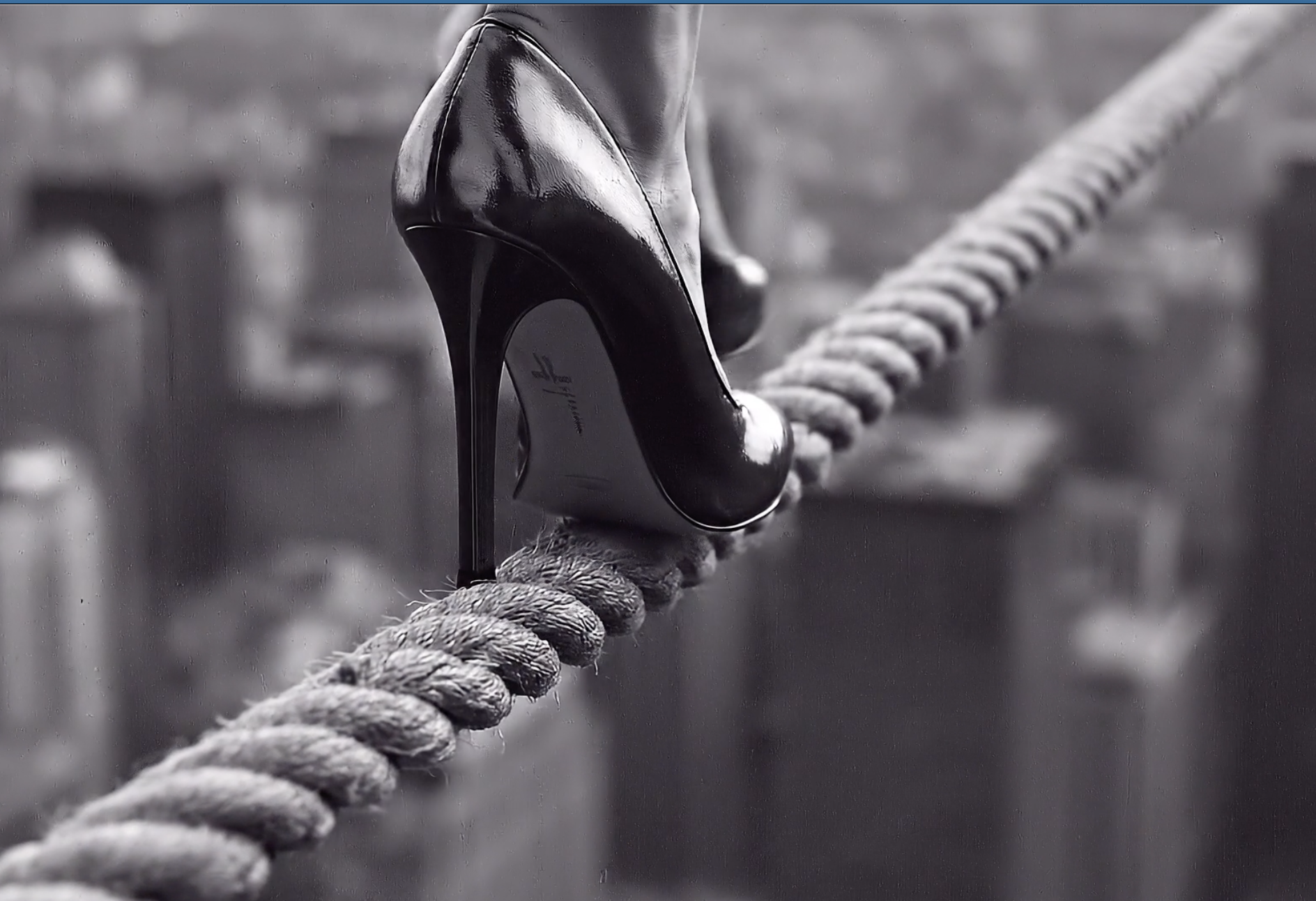
Somewhere around age thirty I noticed I'd started dressing like two different women who never met. Weekday me: blazer, heels that pinched by 2pm, a bag too small for anything useful, held together by sheer posture. Weekend me: the same oversized sweatshirt I've owned since a breakup I don't discuss anymore, paired with sneakers that have opinions of their own. Nobody warned me that adulthood would mean choosing a costume every morning and pretending it was a personality.
And the annoying part is — I don't think comfort and elegance are actually enemies. I think we've just been sold a version of "elegant" that requires suffering as proof of seriousness. Structured shoulders. Stiff waistbands. Shoes that look expensive precisely because your feet are screaming. Somewhere we decided that if it doesn't hurt a little, it doesn't count as dressed up.

Why the Same Blazer Feels Like a Costume on One Woman and a Second Skin on Another
Here's the thing I've come to trust after years of looking at faces for a living: comfort and elegance stop fighting the moment the clothes actually match your bone structure instead of some borrowed idea of "polished."
A woman with soft, rounded features — full cheeks, a gentle jawline, the kind of face that reads as warm even at rest — will feel like she's wearing armor in anything too sharp, too stiff, too architectural. Put a rigid shoulder pad on a face built for movement and drape, and she doesn't look elegant. She looks borrowed. That's a Coquette or a Dreamer type fighting a Duchess wardrobe — the mood is wrong before the fit is even wrong.
But give that same soft-lined face a silk slip dress, a wrap cardigan, a wide-leg trouser in a fabric with actual give — suddenly "comfortable" and "elegant" are the same sentence. The line of the clothing is finally speaking the same language as the line of her face.
On the other end, a woman with defined bone structure — sharp jaw, high cheekbones, a face with real architecture to it — can wear a strict wool coat all day and feel more like herself, not less. That's not because she's tougher. It's because tailoring isn't a costume for her. It's a translation. A Queen or an Alchemist type in soft, unstructured knitwear often ends up looking unfinished, like she forgot to get dressed, even in something expensive — because her face wants edges, and jersey has none to give.
The Real Question Isn't "Elegant or Comfortable"
So the whole debate — do I sacrifice comfort for polish, do I sacrifice polish for comfort — is a false choice built on styling that ignores who's actually wearing it. The real question is whether the garment's line, its color temperature, its weight and structure are speaking to your specific face, or fighting it. When they align, you stop performing "put together" and just look like yourself, dressed well and able to sit down without recalculating your spine.
That's the whole idea behind Suits Me? — not another rule about what a modern woman "should" wear, but a way of reading your own bone structure so you know, finally, which battles were never yours to fight.
What does your closet look like right now — one woman, or two who've never actually met?
Stop guessing which one you are. [Take Selphico Test and get a style logic built on your actual type — not another borrowed rulebook.