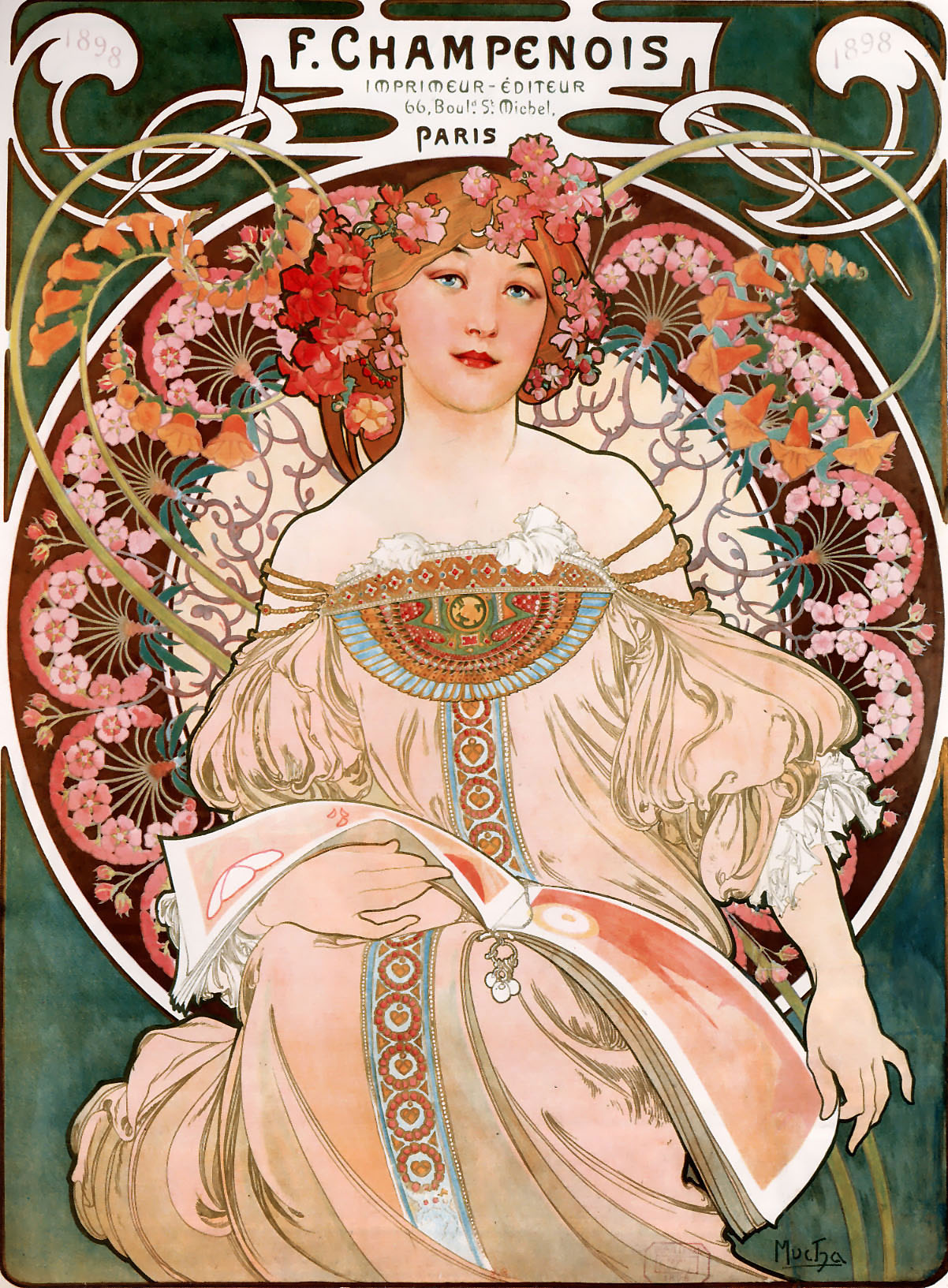
How to Wear Art Nouveau Now
Art Nouveau's whiplash line survives in your slip dress and gold jewelry — but it flatters a very specific kind of face, and fights another.
The line everyone copies and no one names
You've seen her a thousand times — on a tote bag, a tattoo, a tin of overpriced tea. Hair moving like it's underwater, flowers wrapped around a woman like they grew there on purpose. And you probably filed her under "pretty, decorative, done." Wallpaper with good PR.
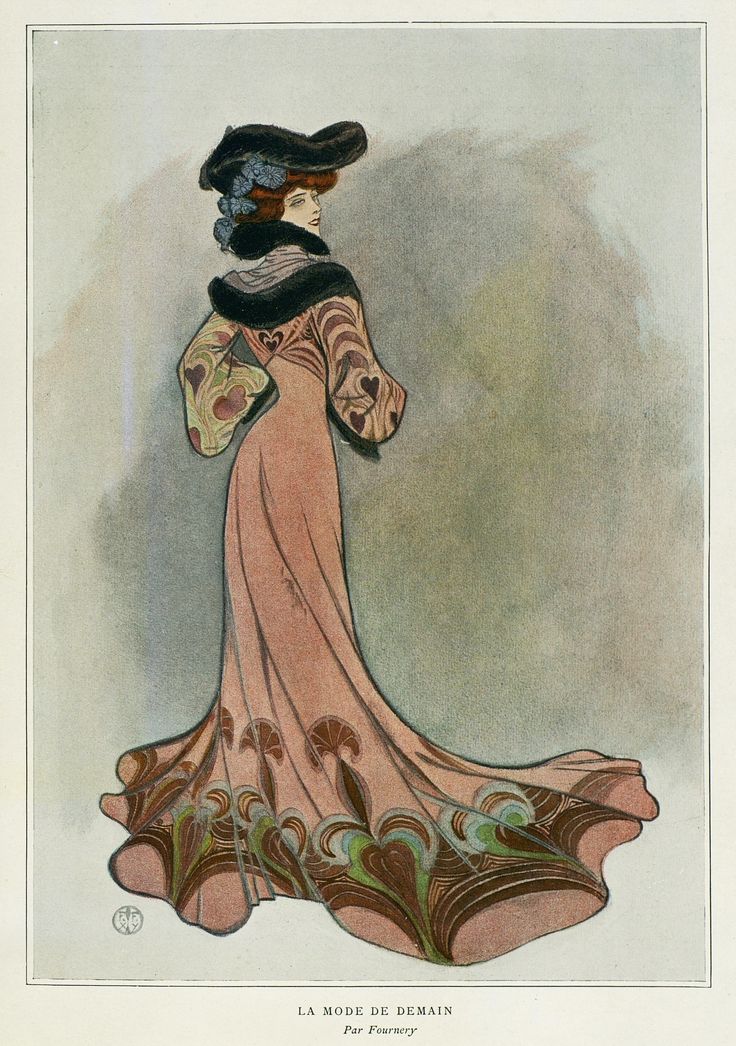
She isn't wallpaper. She's the last visible trace of the only design revolution in history that touched absolutely everything at once — a doorway, a teaspoon, a hairpin, a dress — for about fifteen years, all forced to move like a living vine. They called it the whiplash line. And it is, quietly, the reason your slip dress moves the way it does, and the reason half your feed still looks like an enchanted, slightly hungry garden.
What actually survives from 1900
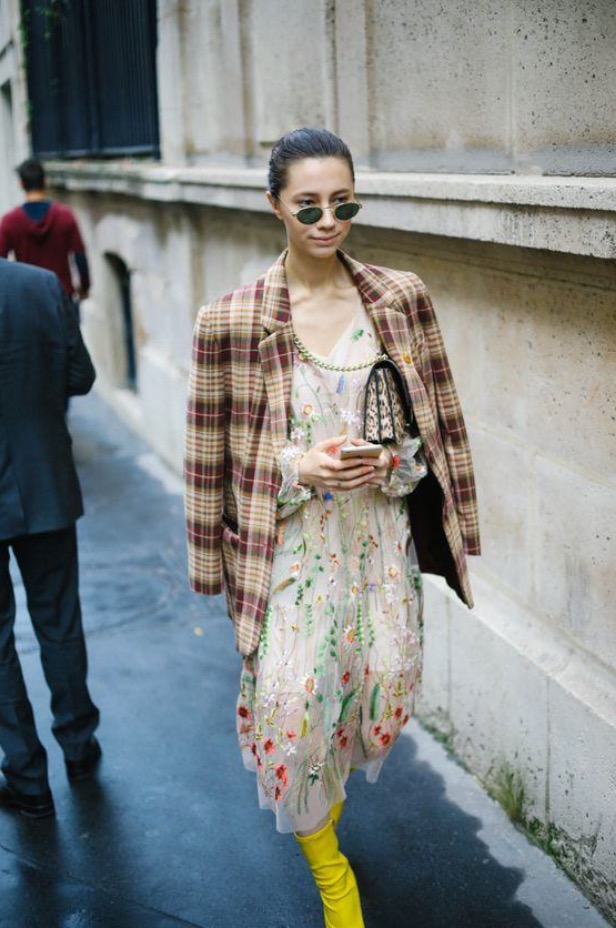
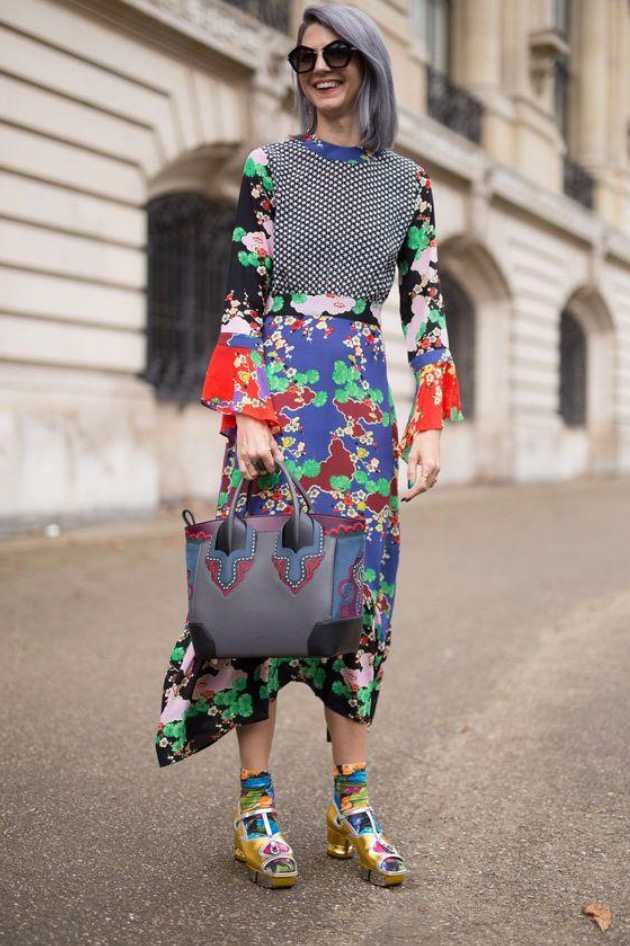
Strip away the posters and the biscuit tins, and three things are left standing. The line — one long curve, unbroken, like hair caught in water or a vine mid-grow. The silhouette — no cage, no armor, fabric that moves when you breathe, the exact opposite of a corset. And the fabric itself: chiffon, water-silk, velvet, thread-of-gold — things built to catch light and ripple, not hold a shape.
What's interesting is that this era's real innovation wasn't softness for softness's sake. It was softness with teeth. Klimt's women stare straight back at you, gold and unbothered. Lalique's most famous brooch is a dragonfly with a woman's torso and actual claws. This is not a shy aesthetic — it's fertile, a little carnivorous, dressed up as a flower.
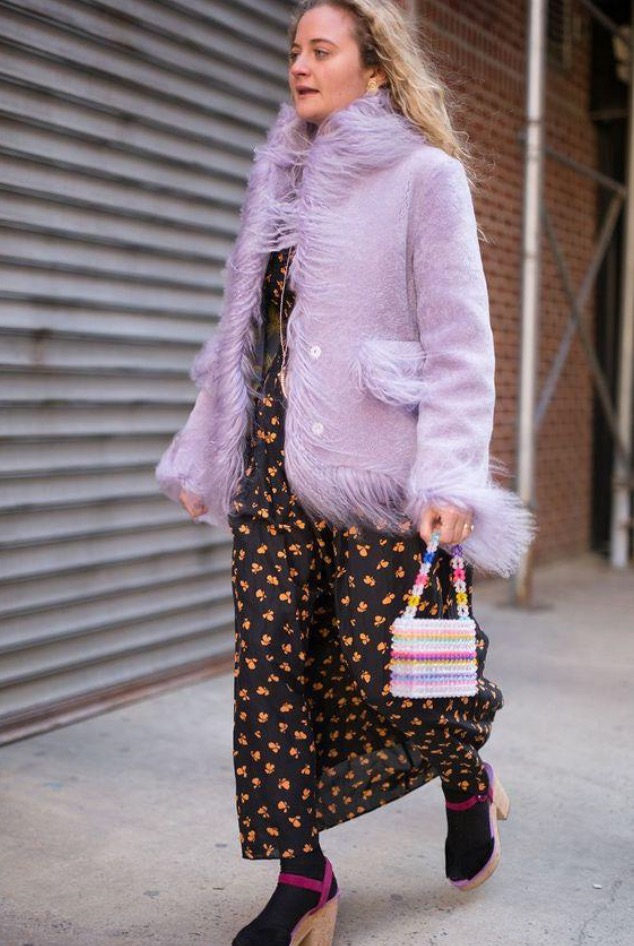
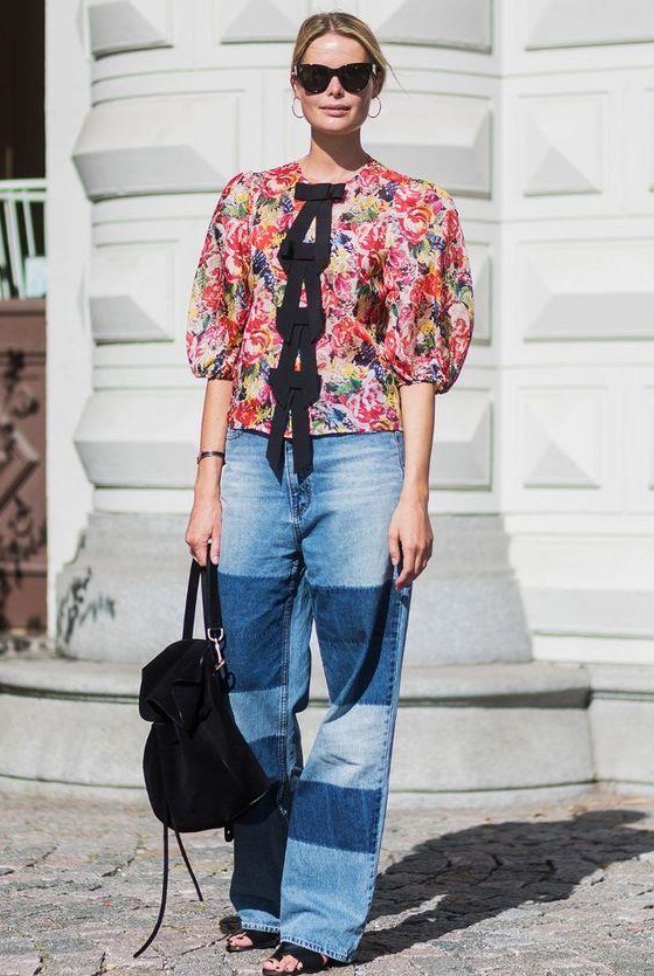
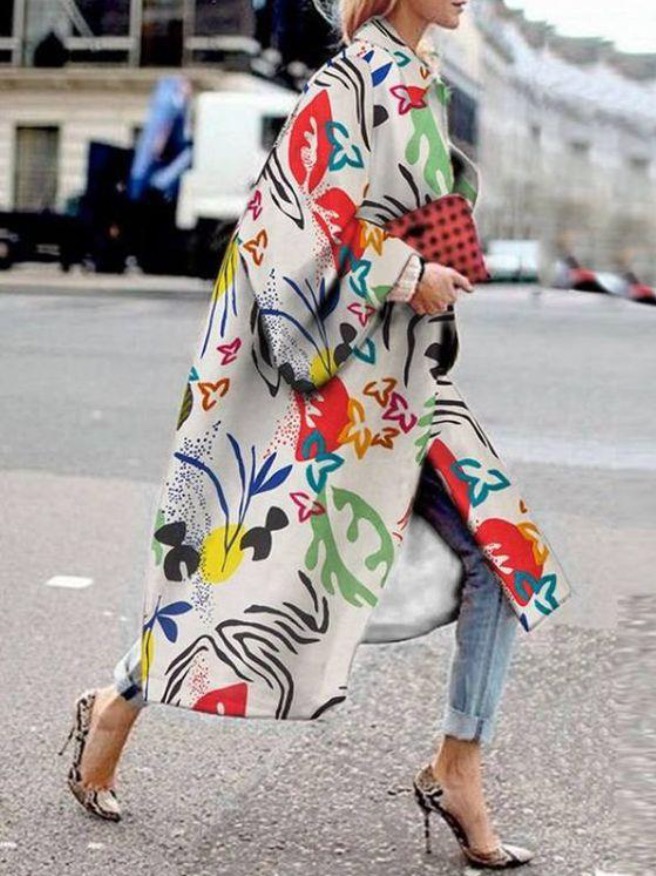
Who this actually flatters — and who it fights
Here's where I'd get specific, because a flowing chiffon dress with a gold vine print doesn't suit everyone equally, and that's not opinion, it's bone structure.
Nymph types — soft, low-contrast, delicate features with almost no hardness in the face — this is home turf. The whiplash line echoes what's already happening in their features: nothing sharp, everything continuous. A water-silk slip or a dress with a single winding print reads as an extension of the face, not a costume on top of it.
Muse types — that dreamy, elongated, faintly melancholic face you find on every Mucha poster and half the paintings that made this era famous in the first place — were basically the original models for this look. Long neck, softly waving hair, features that seem to drift rather than declare themselves. On a Muse, the whiplash line doesn't decorate the face, it narrates it — gold thread and trailing chiffon read as inevitable, not styled.
And who does it quietly strangle? A Queen — sharp, architectural, cool bone structure that wants clean edges and negative space. Put her in head-to-toe melting chiffon with vines everywhere and the dress doesn't drape her, it drowns her. Her face is a building; this era wanted a wave. That's a line drift, plain and simple — the fabric is speaking a language her bones don't.
So before you buy the slip dress because it looked good on someone else's feed — is your face already doing the whiplash line, or are you asking a print to do it for you?