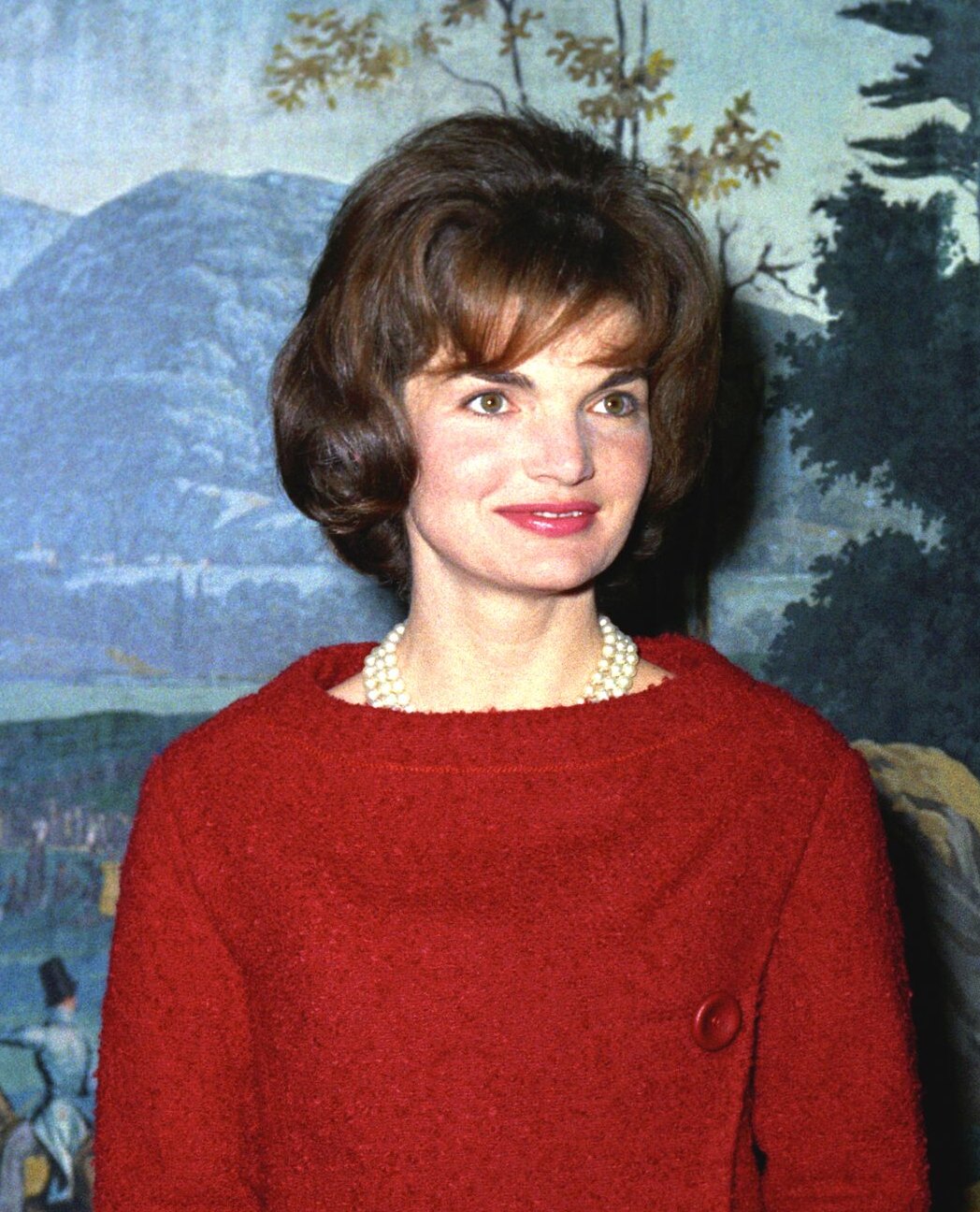
Jackie Kennedy's Style Rules Were Never About Taste. They Came From Her Face.
One colour head to foot, no waist, no ornament, big sunglasses. Why Jackie Kennedy's rules came from her face line — and why quiet luxury is still copying them.
January 1961, Washington, bitterly cold. The wind comes straight down the avenue, she puts a hand up to hold her hat — and leaves a dent in the crown.
By the next morning the dent is in every newspaper in the country, and the pillbox is on its way to every department store in America. A country copied a mistake, because the mistake had been reproduced.
Jacqueline Kennedy understood that before almost anybody else did. And the rules she built on it — the ones everyone now files under "Jackie style" — were never really about taste. They came from her face.
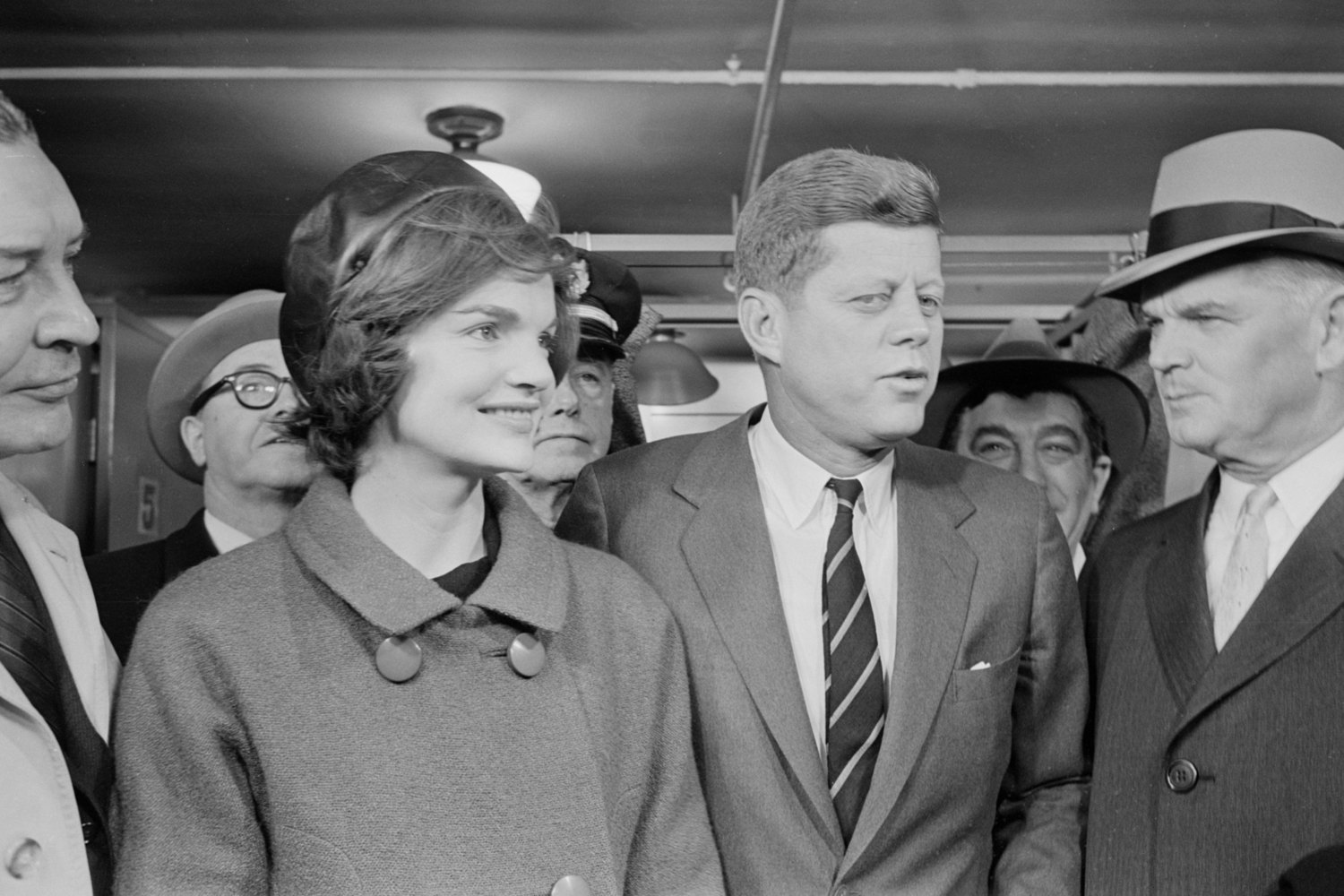
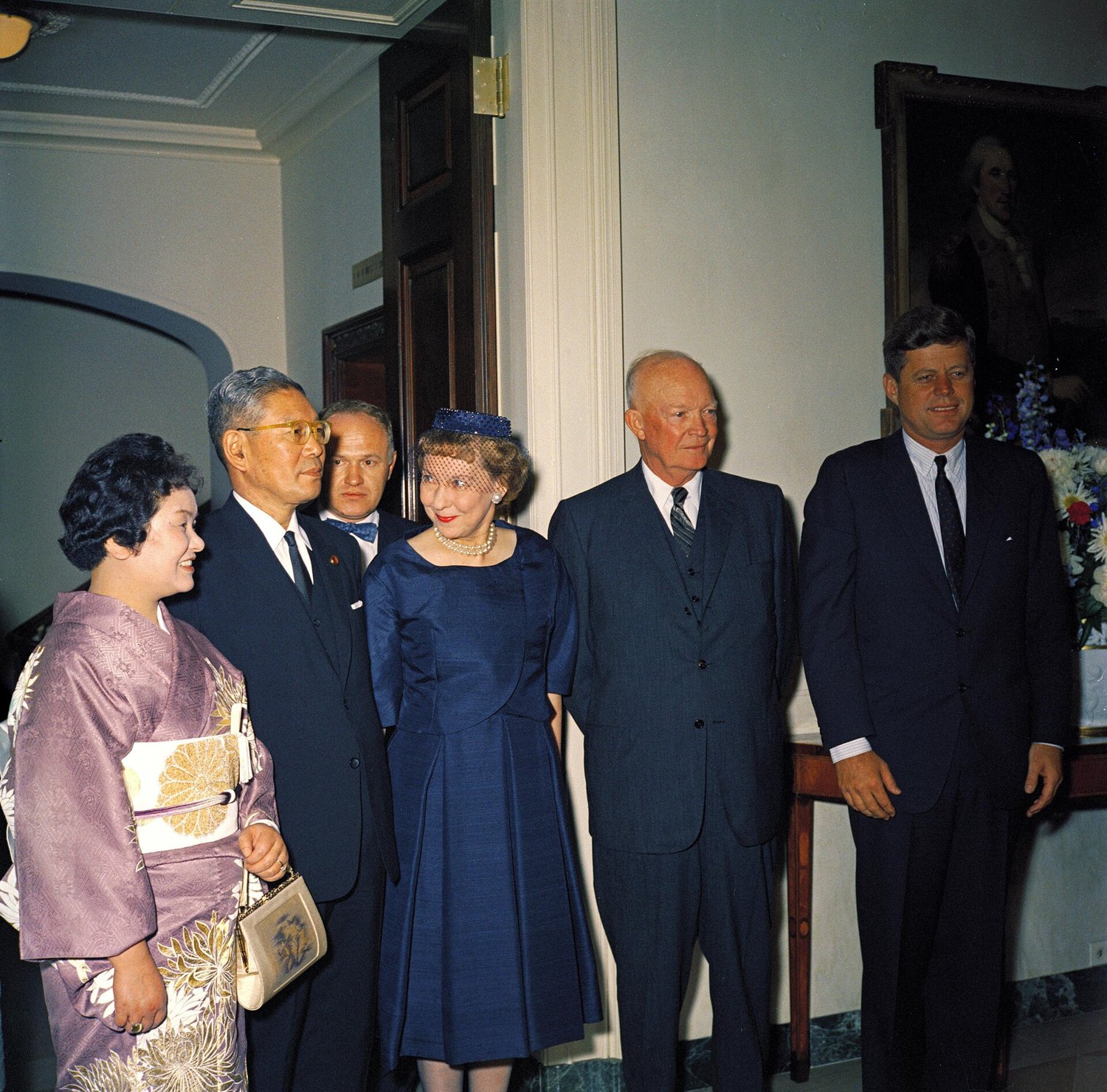
She treated her wardrobe as politics
She was thirty-one, the third-youngest First Lady in American history, and she arrived with a problem that was entirely political. Her husband had won by a whisker. She spoke French, rode to hounds and wore Paris couture, and inside the campaign people were genuinely afraid a country of housewives would look at her and see a snob.
So she did something merely stylish people never do: she treated her wardrobe as policy. "I must start to buy American clothes and have it known where I buy them," she wrote. Read the second half again. The clothes were not the point. Being known was.
So she did what you do when you are building a campaign team: she appointed one couturier, Oleg Cassini, and over the next three years he made her more than three hundred outfits. When the state visit to France came in 1961, the Paris wardrobe was quietly ordered from Givenchy — French couture, arranged around her own public rule. She spoke to de Gaulle in fluent, literate French, and by the end of the trip the President of the United States stood up at a press lunch and introduced himself as "the man who accompanied Jacqueline Kennedy to Paris."
It was a joke. It was also a concession.
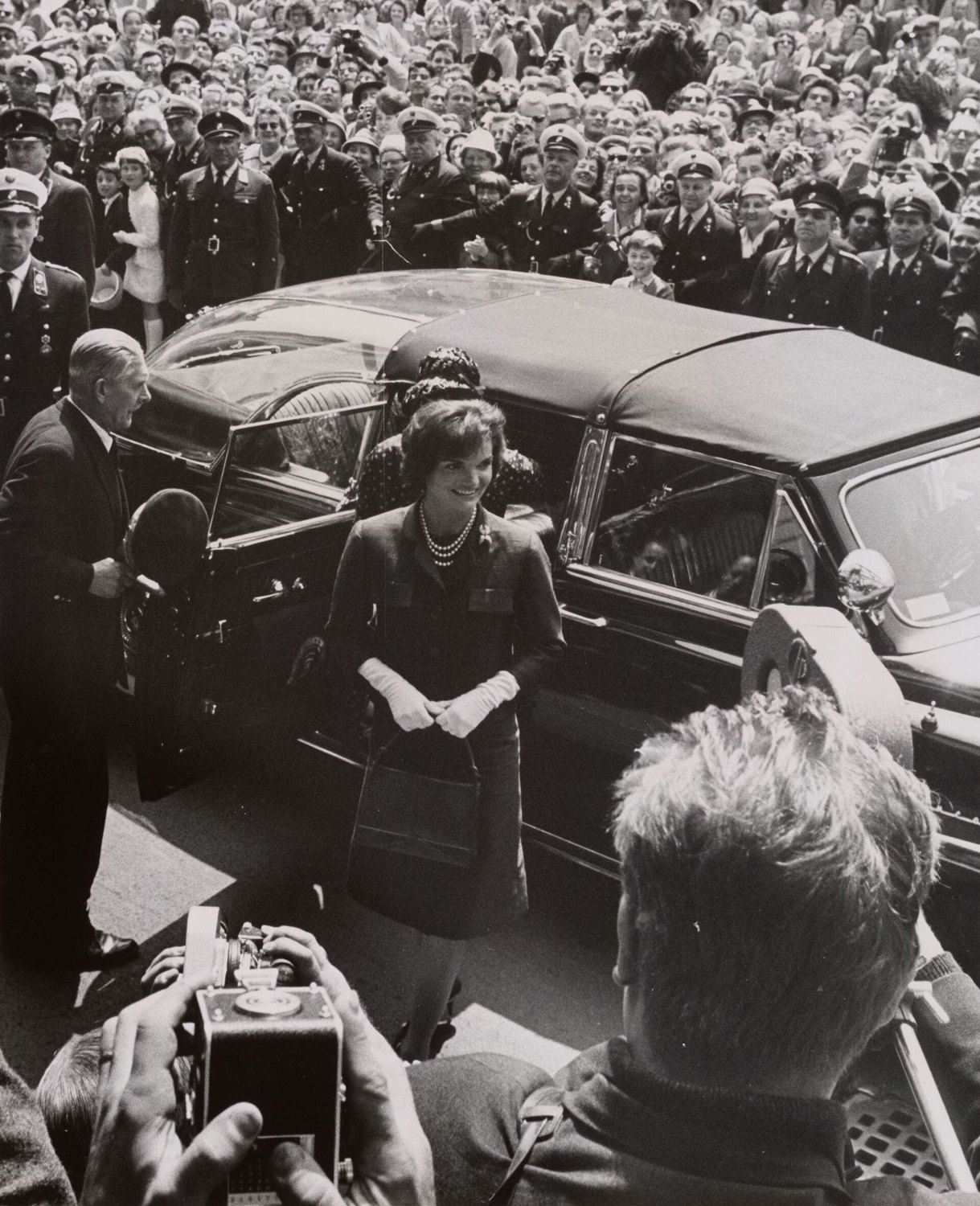
She deleted four things
Lay those three hundred outfits out and they collapse into four decisions — and every one of them is about what is missing.
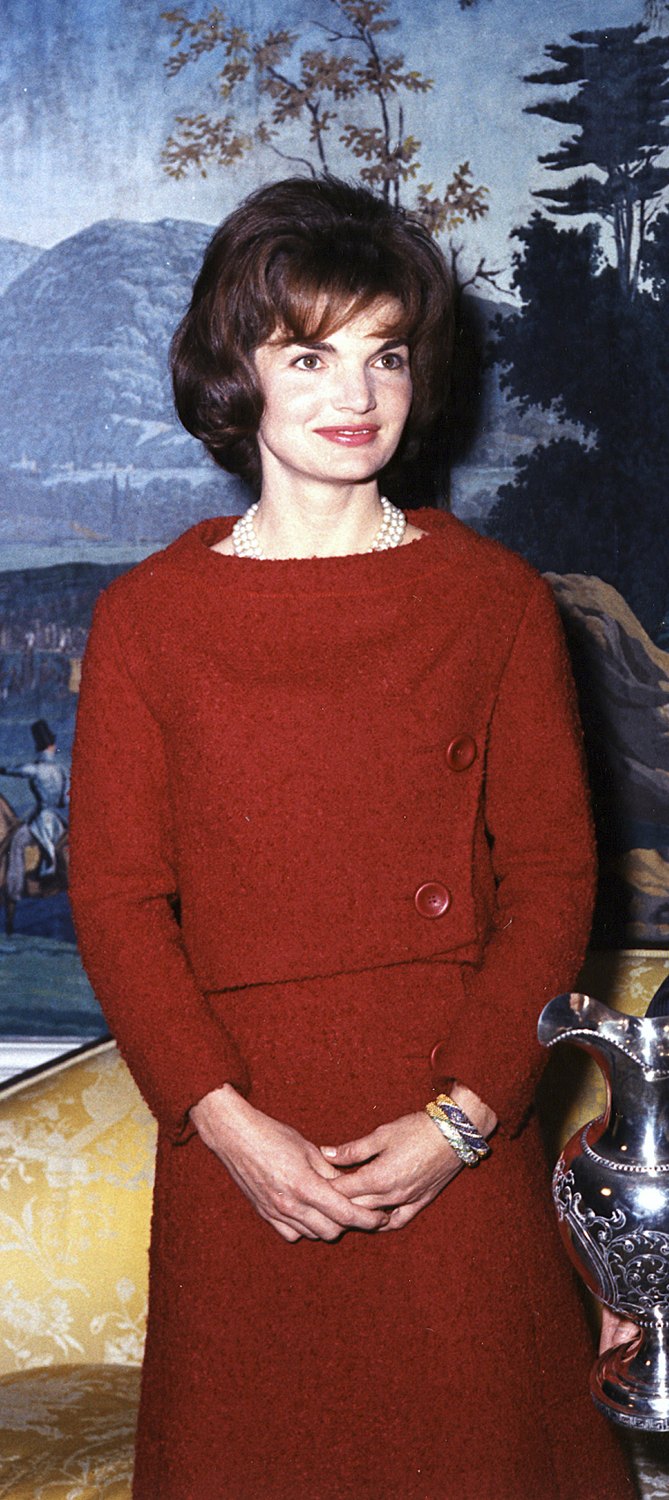
No waist. The fifties had spent a decade engineering the female waist into existence with boning and petticoats. She deleted it. The shift hangs from the shoulders and touches almost nothing on the way down.
No ornament. No lace, no ruffle, no polka dot, no appliqué. A jacket with patch pockets and buttons — and that is the entire event.
One colour, head to foot. Coat, dress, hat, gloves, shoes — one unbroken block of colour.
Big simple shapes, and the sunglasses. The glasses were not an accessory. They were a wall — they removed the part of a photograph a reader searches first.
Now ask what those four are for. They are for a newspaper photograph printed in grey ink, about the size of a postage stamp, glanced at for a second by somebody holding a coffee. At that size a waist disappears, lace turns to mud and a busy print becomes noise. A single block of colour with a clean outline survives.
She was not dressing for the room. She was dressing for the newspaper page, which is a different job entirely.
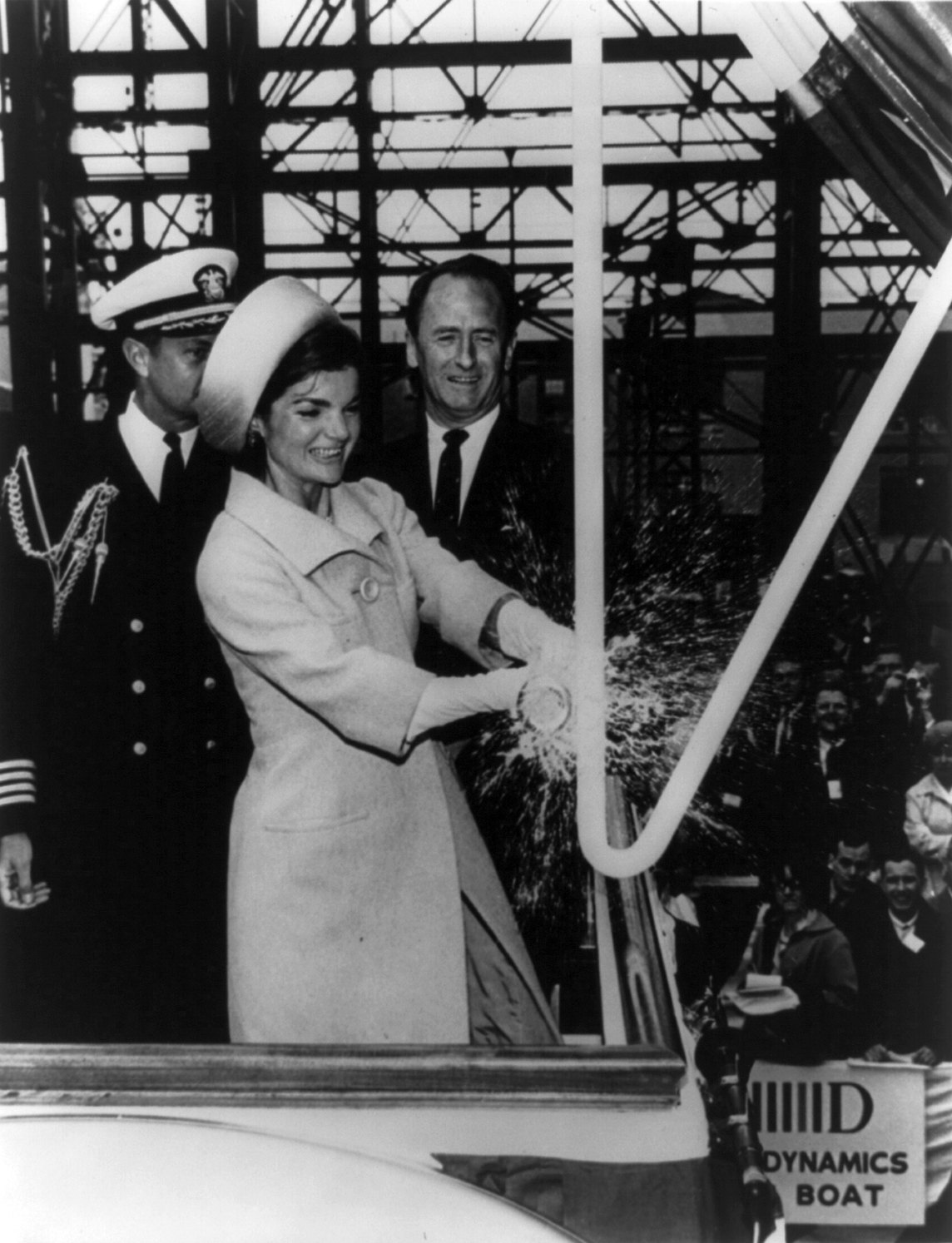
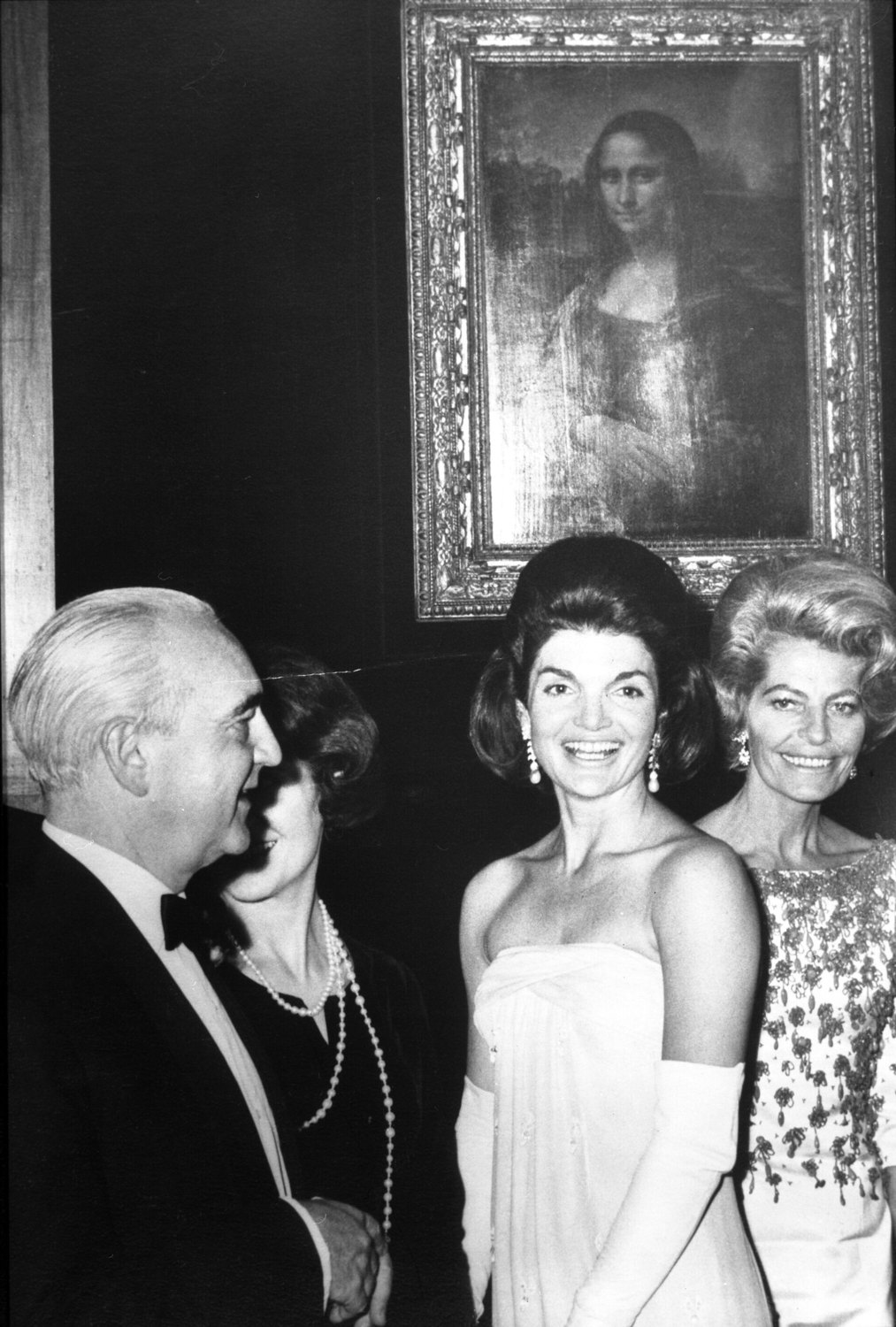
Why it worked on her
At Selphico we read appearance in three layers — your archetype, the line of your face, your colouring — and Jackie is an unusually clean example of the first two.
Her archetype is the Duchess: refined power through culture and tradition, authority that arrives through taste rather than force. What breaks a Duchess is sweetness — anything girlish, naive or see-through, and the whole structure collapses.
Her face line is the firm line: mass, density, horizontals, right angles. Wide and weighty, and never sharp.
Now go back over the wardrobe. Large, heavy, rectangular sunglasses. A hat that is pure geometry. Hair smooth and structured, weight at the sides, forehead open. A straight cut that holds its own shape. Bouclé, tweed, heavy wool. A box of a handbag. And on the other side — no lace, no polka dots, nothing small and fussy, nothing soft or thin.
All four of those deletions are her firm line, obeyed.
She never knew it in those words; the system did not exist. She worked it out the hard way — photographed hundreds of times a week, studying what survived. She had a mirror nobody else has ever had, and it came out every morning with a circulation of millions.
Jackie O: the uniform quiet luxury is still copying
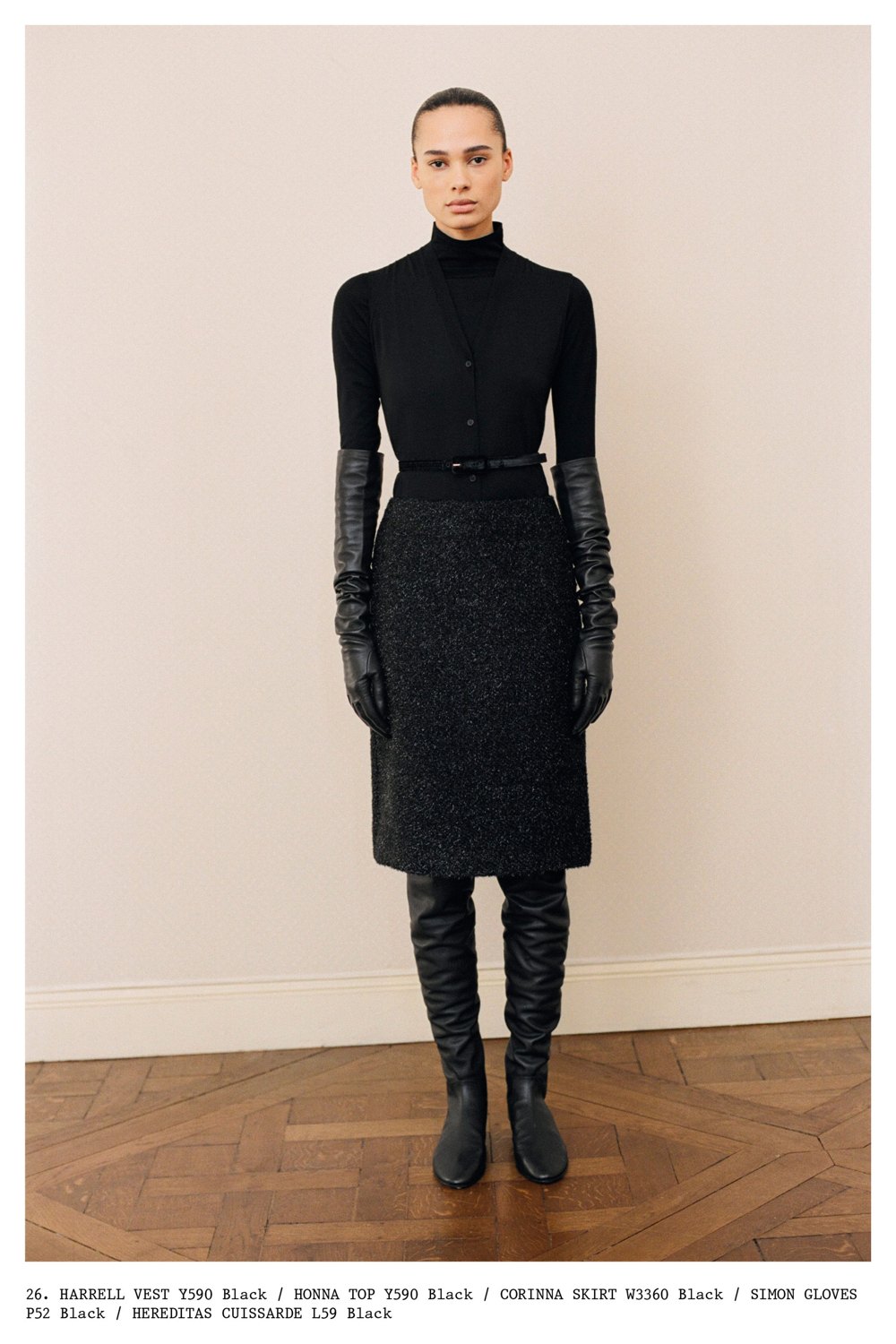
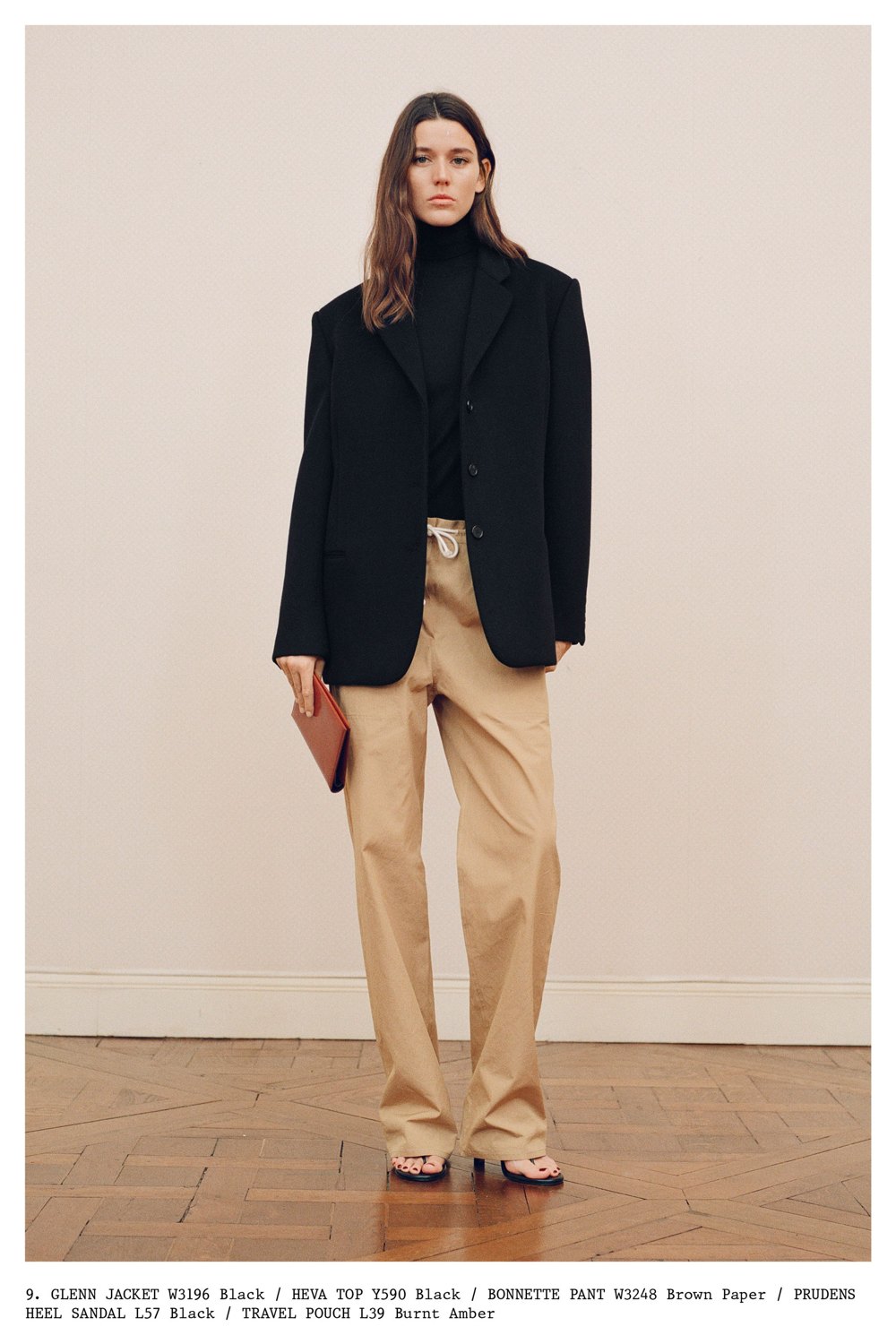
In 1968 she married Aristotle Onassis, the First Lady disappeared, and what replaced her was a uniform she wore for the next twenty-five years almost without variation. A black turtleneck. Wide trousers. A silk scarf over the hair. Flat shoes she could actually walk in. A bag big enough for a manuscript. And the sunglasses, bigger every year.
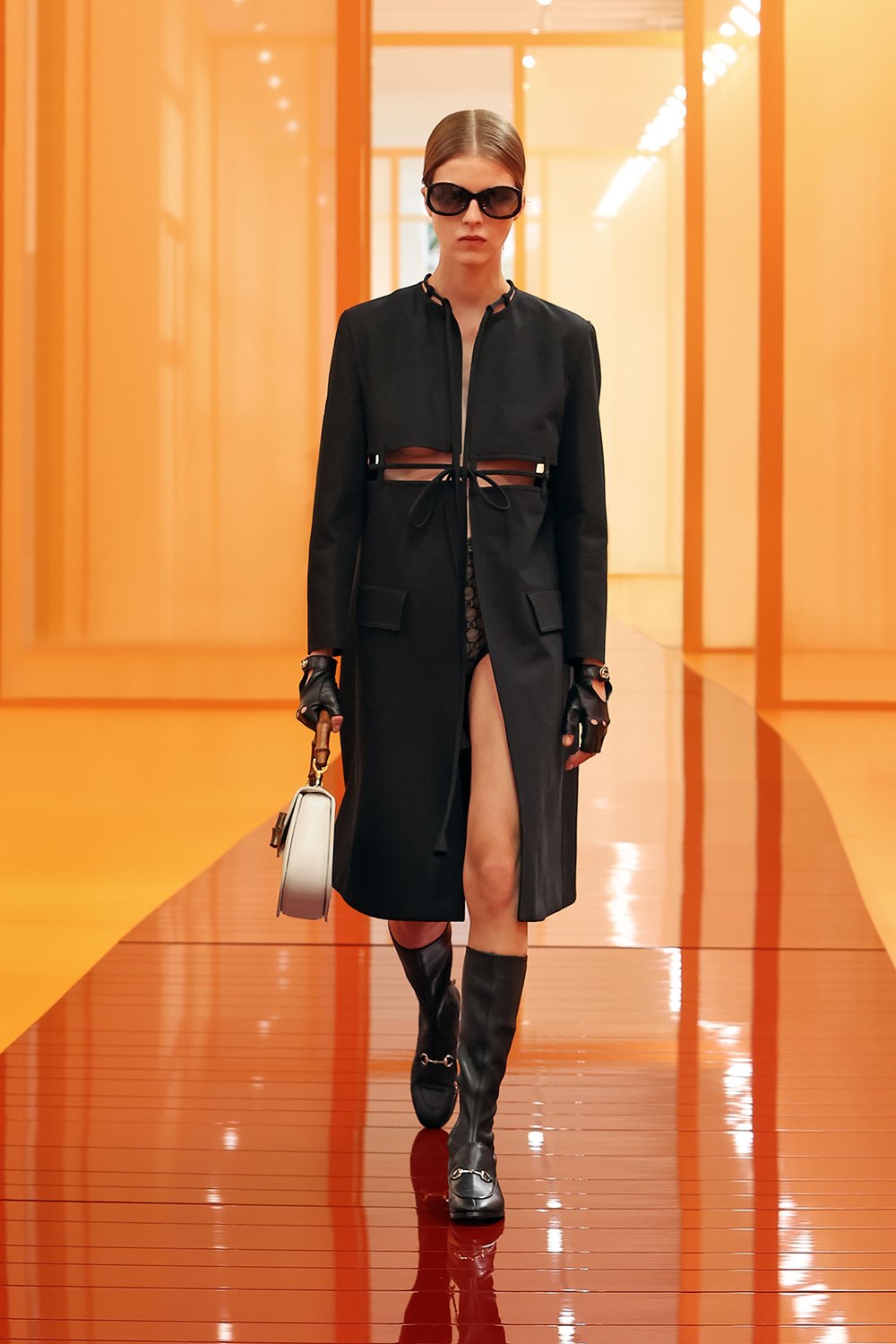
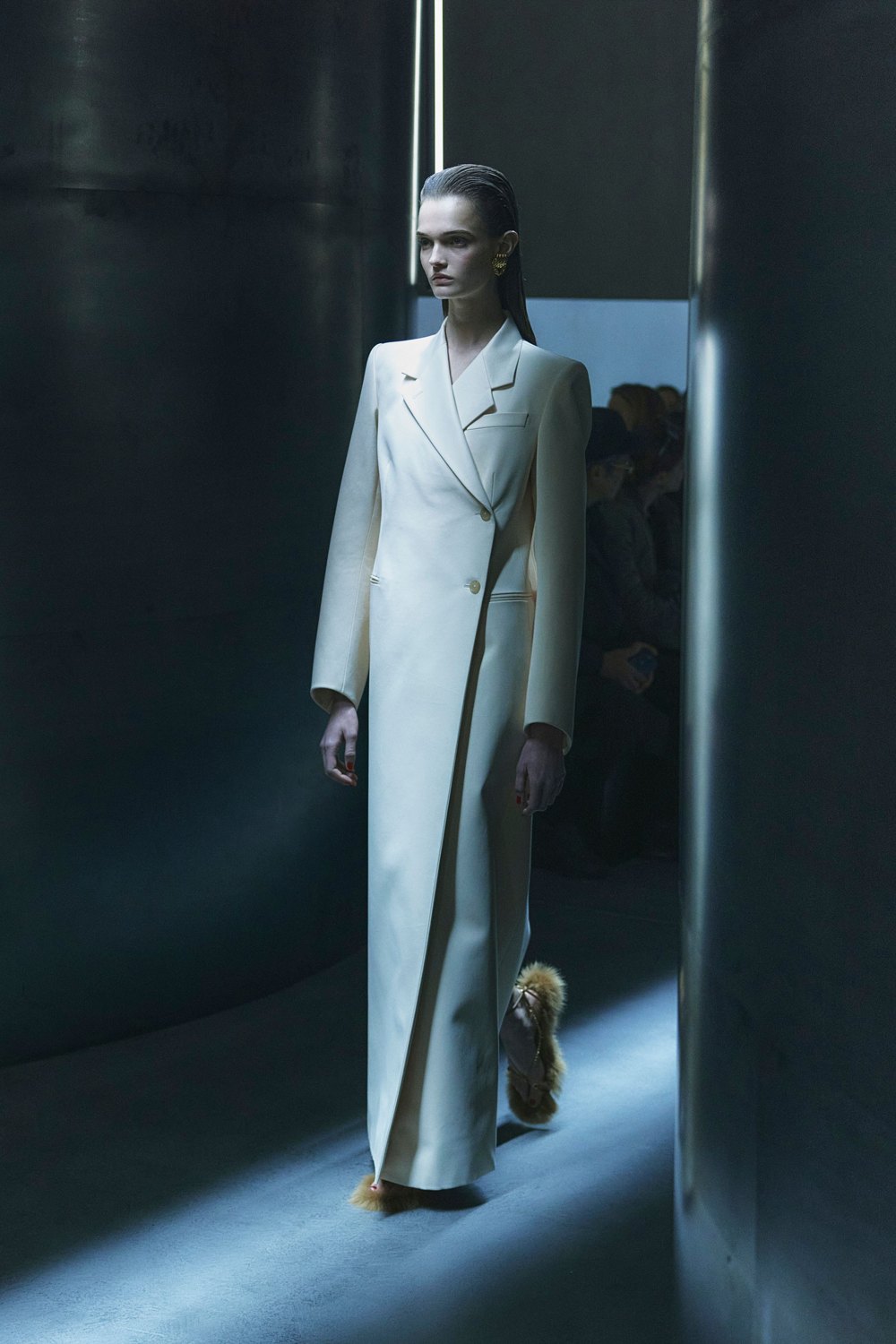
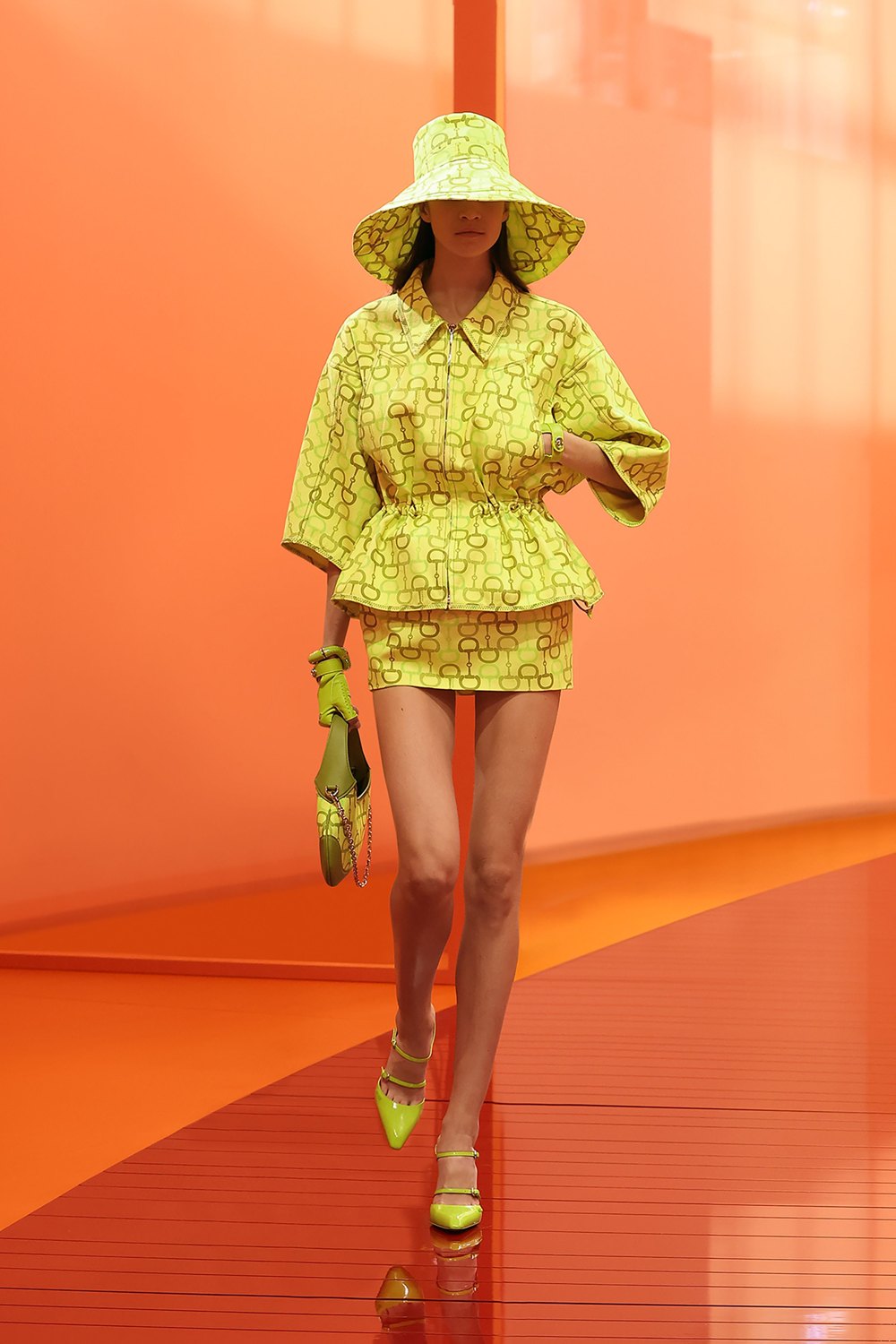
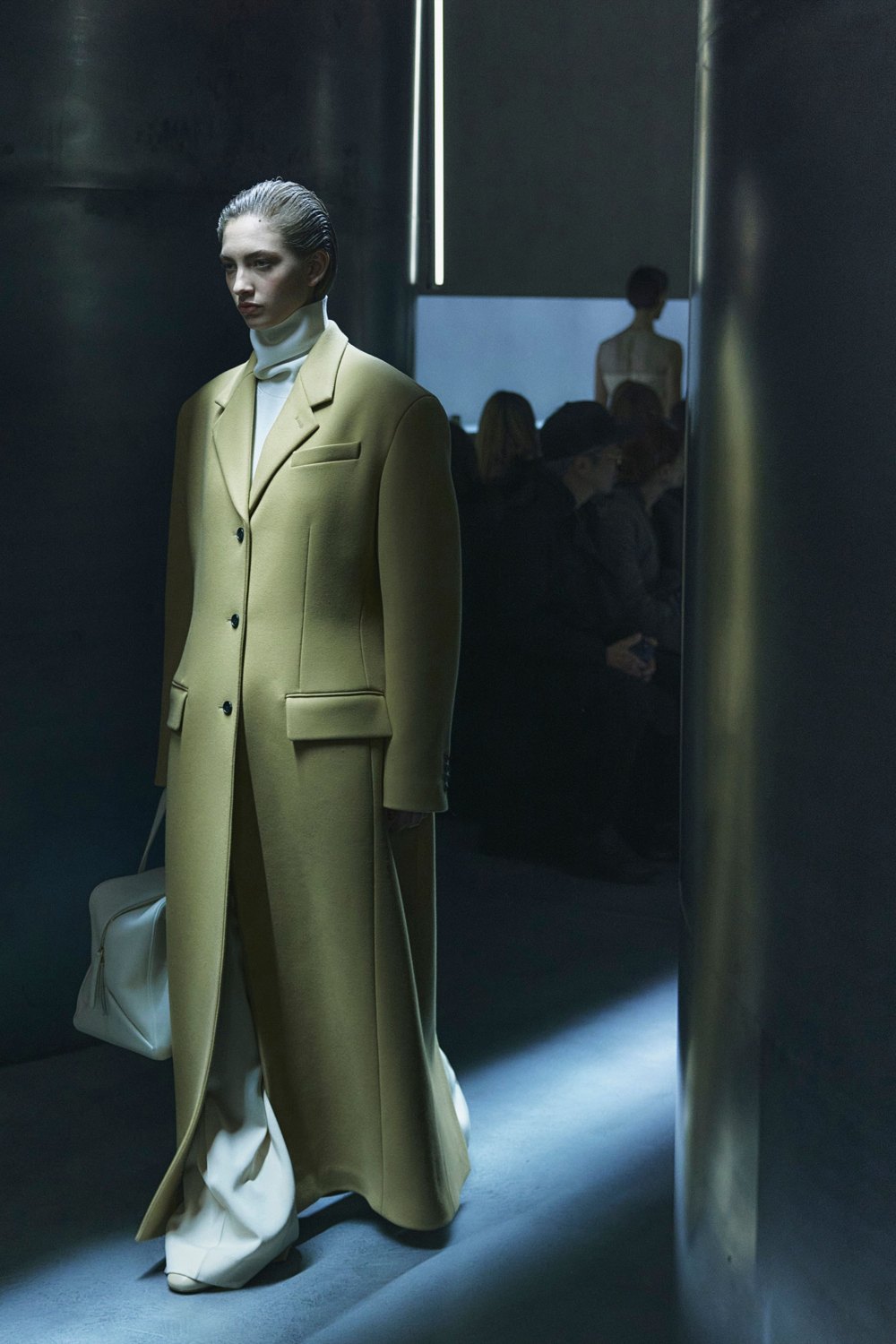
Walk into any shop this afternoon and that list is hanging there, because that — not the pillbox, not the state dinner — is the Jackie the internet is really copying. The clean coat, the plain jacket, the deleted ornament: it is a fairly precise description of what everyone has been calling quiet luxury for the last few years. Gucci built its spring/summer 2025 collection around her. The Row, Khaite and Max Mara sell versions of that wall every season.
Notice, though, what the uniform was for. In the White House the clothes were built to be read at newspaper size. Afterwards they were built to be useless to a photographer — flat colour, nothing a caption could hang on. The same wall, turned round to do the opposite job.
How to wear it now
The episode ends on three principles, and they hold up.
One colour, top to bottom. Not a matching set — one tone carried all the way down. A cream coat over cream trousers, navy on navy, camel on camel. It is the single cheapest way to look deliberate.
Delete the waist, delete the ornament. Choose the garment that hangs from the shoulder rather than the one that grips. Then take off the last thing you added before leaving the house.
Find one proportion that works, and repeat it. She wore essentially the same shape for three years. That was not a lack of imagination. That is how an image gets built — a new idea every morning is not style, it is noise.
So which three are yours
Here is the part most "how to dress like Jackie Kennedy" lists leave out: all three of those principles came from her face line. Big, weighty, geometric, uninterrupted — that is the firm line talking. On a soft, fluid or delicate face, the same boxy coat and heavy sunglasses swallow the wearer whole.
A different line gives you a different three. Which is the entire point.
Three layers decide what actually suits you: the line of your face, its shape and weight; your colouring, your depth and contrast and temperature; and your archetype, the character your face transmits before you open your mouth. Almost everyone will sell you one of the three. A colourist sells colour, a stylist sells shape. We read all three.
It took her three years, a couturier on retainer and the world's press as a mirror.
It takes you three photographs.
Archive images: John F. Kennedy Presidential Library and Museum, White House Photographs (public domain); Library of Congress and U.S. National Archives (public domain). Present-day looks: The Row F/W 2024, Khaite F/W 2023, Gucci S/S 2025.