The Five 80s Uniforms Still Hanging in Your Wardrobe
The Breakfast Club labelled five kids by their clothes. Every one of those uniforms is still in your wardrobe — here is how to wear each of them now.
Saturday detention, 1985. Five teenagers walk into a school library, and before a single one of them opens their mouth you already know exactly who they are.
The neat sweater is the brain. The letterman jacket is the athlete. The pearls are the princess. The coat that looks slept in is the criminal. And the girl buried in a black sack of a dress, saying nothing, is the basket case.
The Breakfast Club spends ninety minutes proving the labels wrong. What it never asks is the more interesting question: who issued the uniforms in the first place?
The decade did. And almost every one of those uniforms is hanging in your wardrobe right now — which means you have been dressing in the eighties for years without anyone telling you.
The Brain: the power suit is the blazer you already own
The shoulder pad is not an eighties invention. It went down a Paris runway in 1931, and Joan Crawford made it famous the following year. What the eighties did was hand it a job.
In 1977 a book called The Woman's Dress for Success Book told women walking into towers built for men exactly what to wear to be let past the corridor. The phrase "power dressing" came out of those manuals. The idea was simple and a little brutal: you do not borrow the man's jacket. You borrow the flag.
By the end of the decade the look had become its own caricature — sneakers on the ferry, heels changed at the desk, shoulders wide enough to need their own postcode.
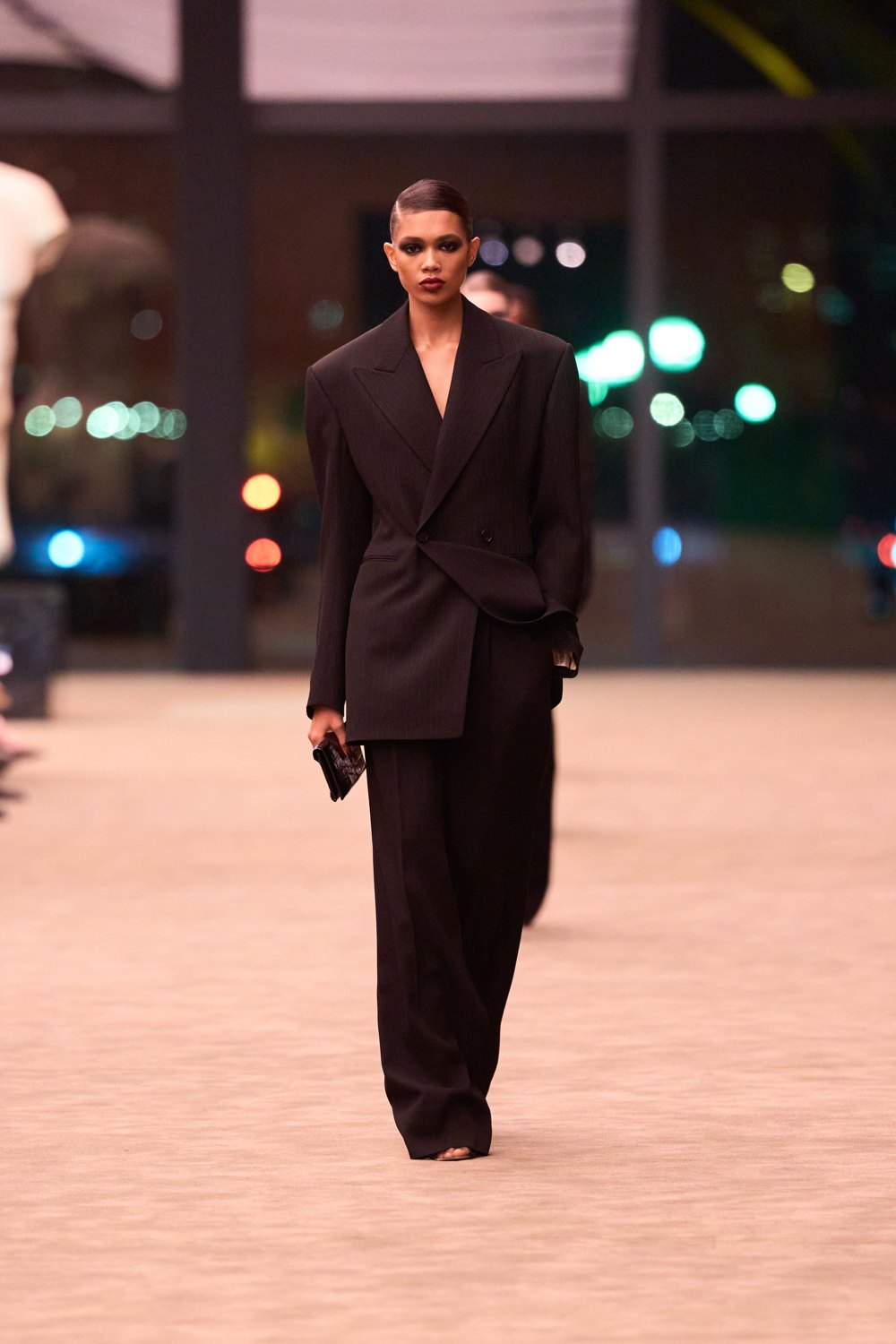
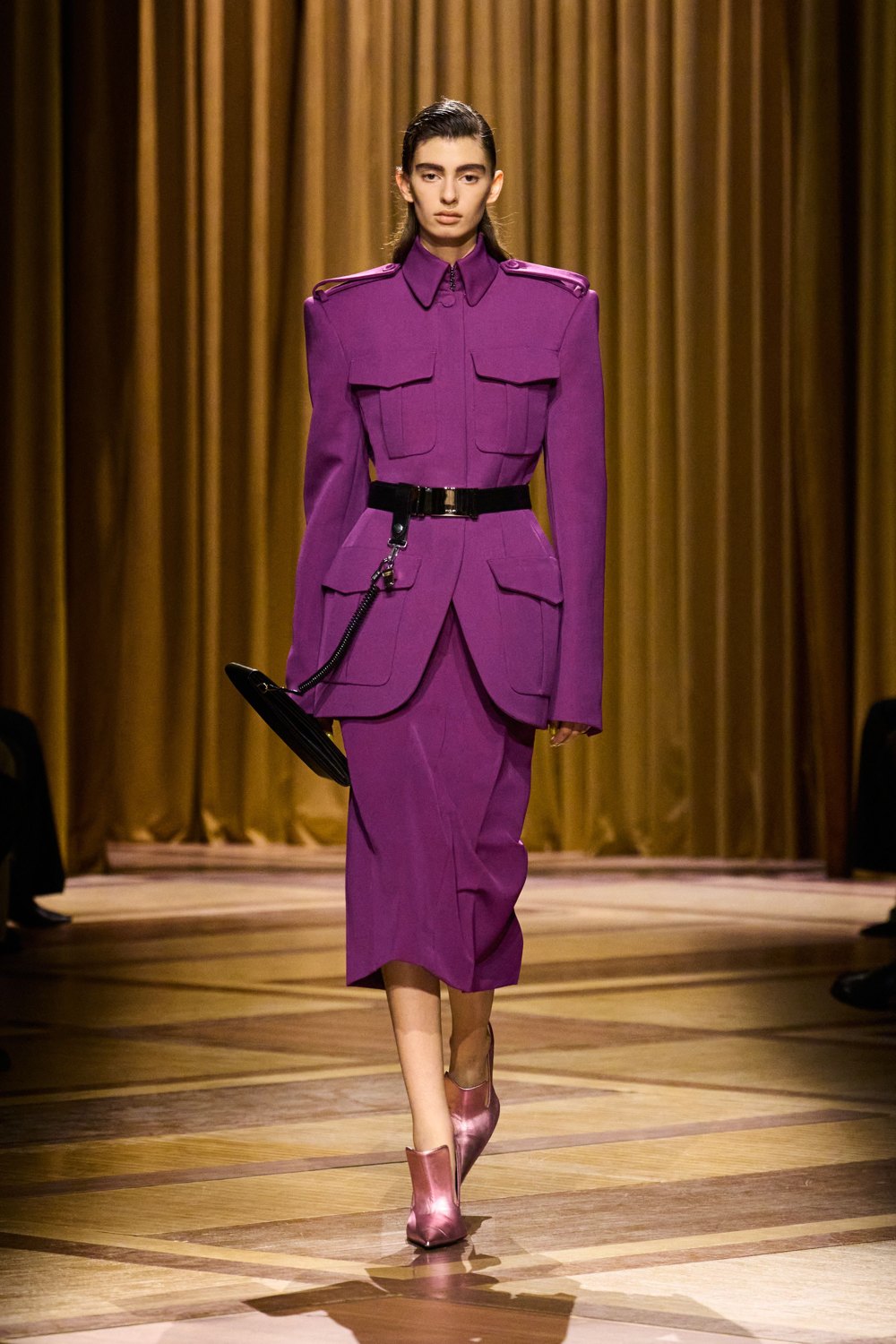
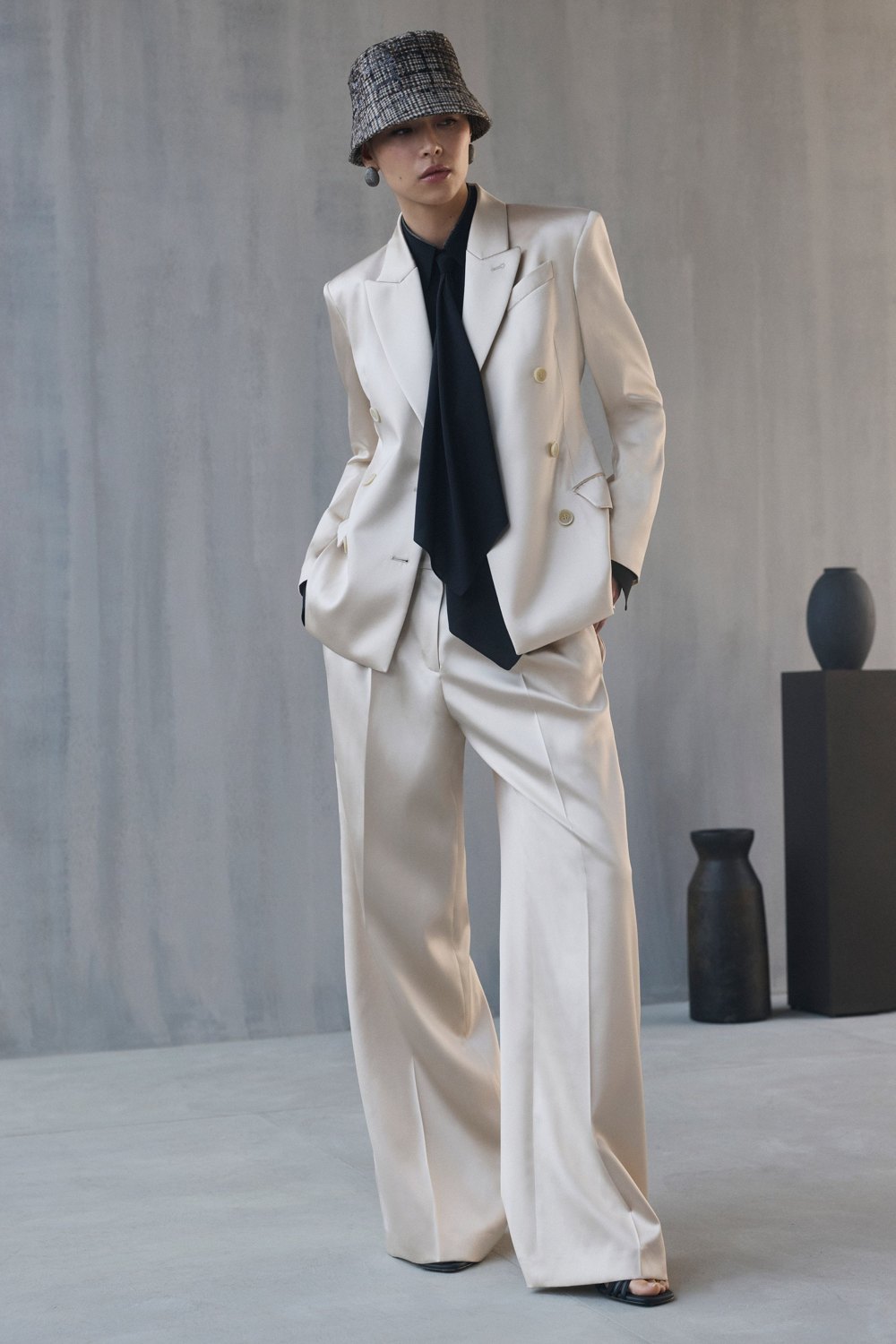
How to wear it now. That oversized blazer you reach for when an outfit needs to look deliberate is the power shoulder at rest. It works on one condition: the shoulder is the only strong thing. Push the sleeves up. Put it over something lean — a fine knit, a straight jean, a plain trouser that falls to the shoe. The moment the shoulder is joined by a second eighties signal, it stops being a blazer and becomes fancy dress.
The Princess: old money, bought off a shelf
In 1980 The Official Preppy Handbook came out as a joke — a satire of the Ivy League rich. America read it as a manual.
Six years later Ralph Lauren opened his flagship in the Rhinelander mansion on Madison Avenue, an 1890s Gilded Age house where less than five per cent of the original interior had survived. He rebuilt the opulence from scratch: the panelling, the portraits, the sense of a family that had always been there. He was selling ancestors to people who had not been left any. It worked beautifully.
Meanwhile in Paris, on 25 January 1983, Karl Lagerfeld showed his first couture collection for a house that had been drifting since Coco Chanel's death in 1971 — and woke it up by playing with its own history.
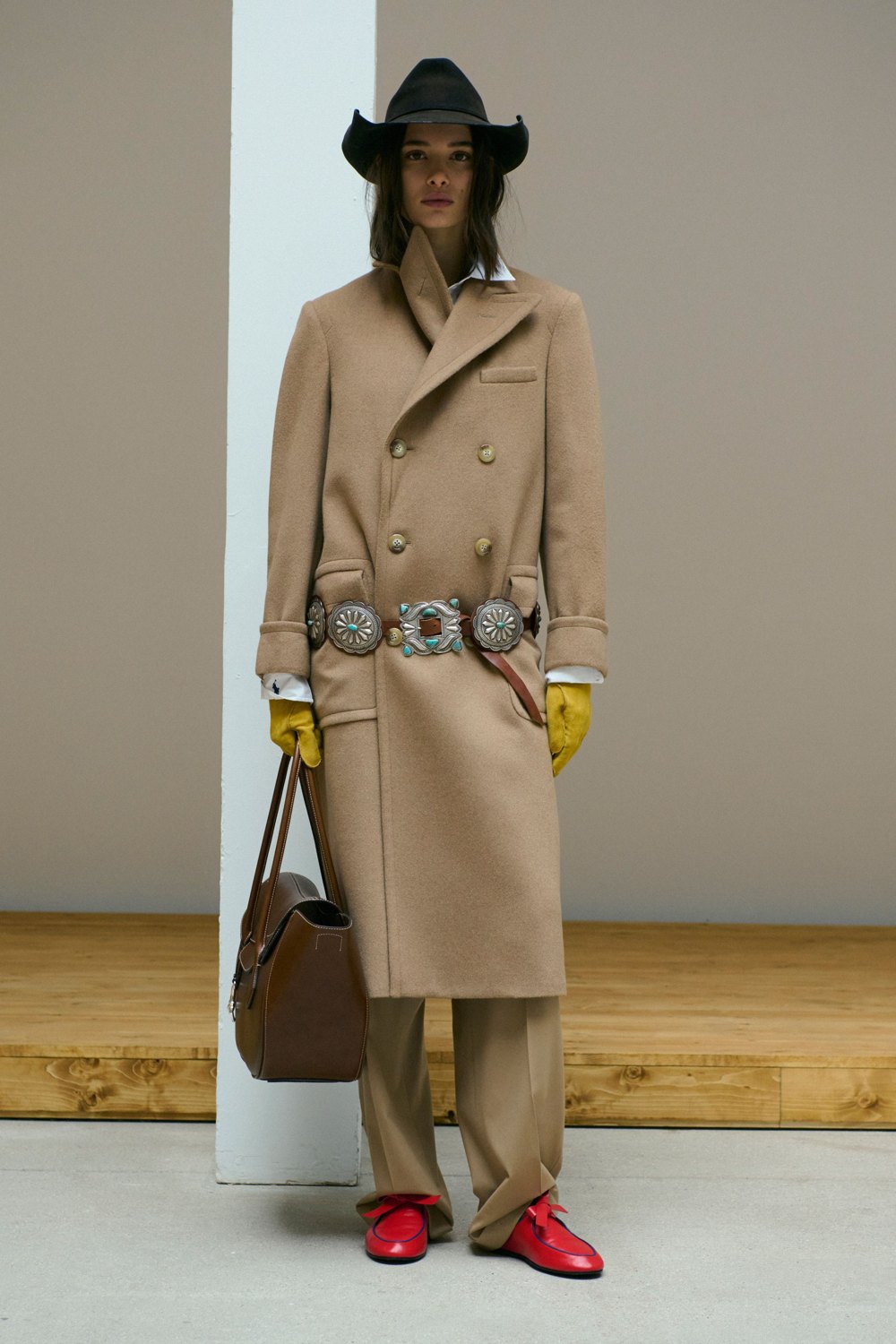
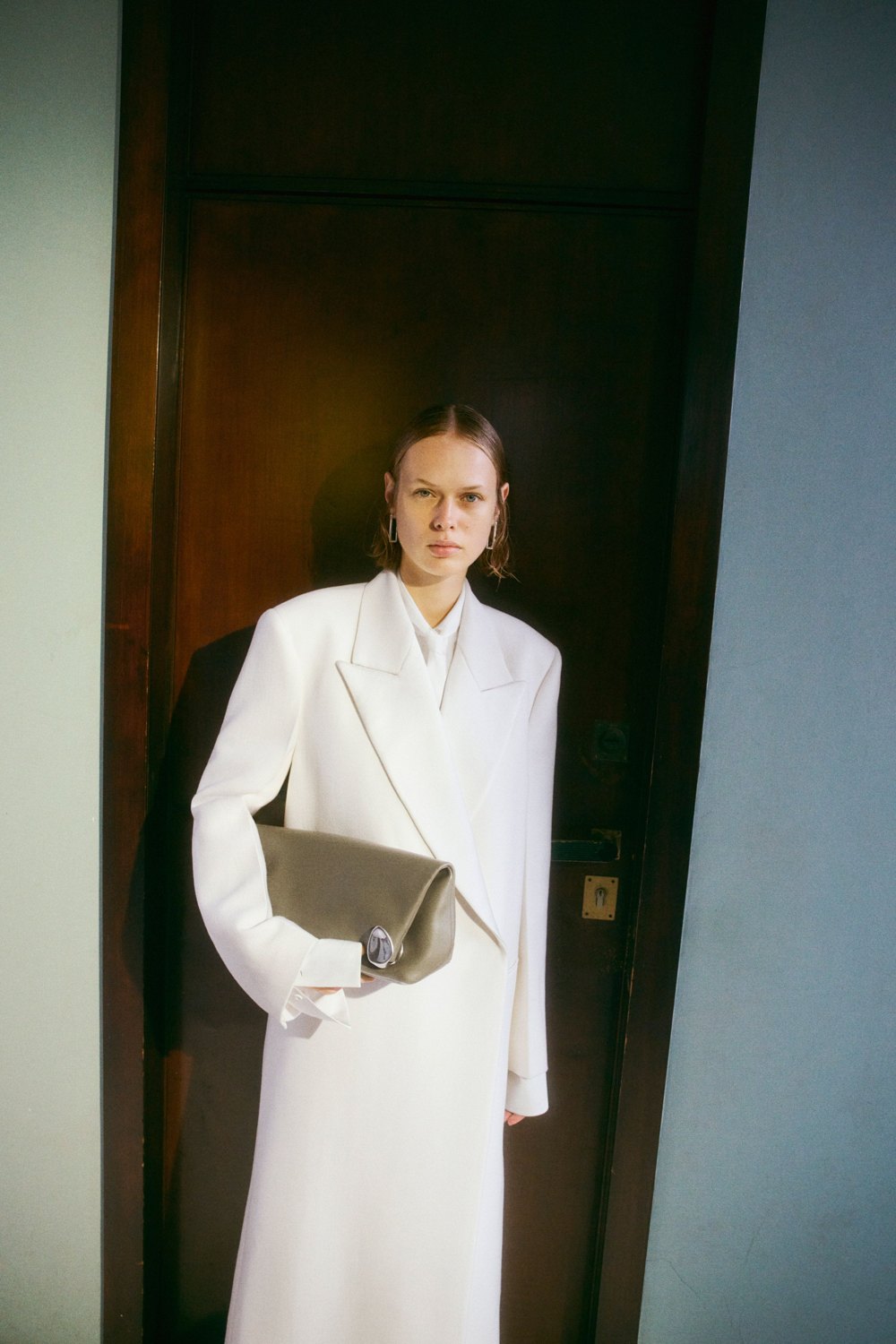
How to wear it now. The old-money look has its own hashtag forty-five years on, and the handbook's joke is still being read with a straight face. The trick is the same one Lauren used: it is a costume of inheritance, so wear it plainer than the catalogue. A camel coat, cream tailoring, one heritage signal — a good belt, a loafer, a scarf knotted like you did not think about it. Logos break the spell. Nobody who inherited anything announces it.
The Spectacle: Dynasty and the shoulder wars
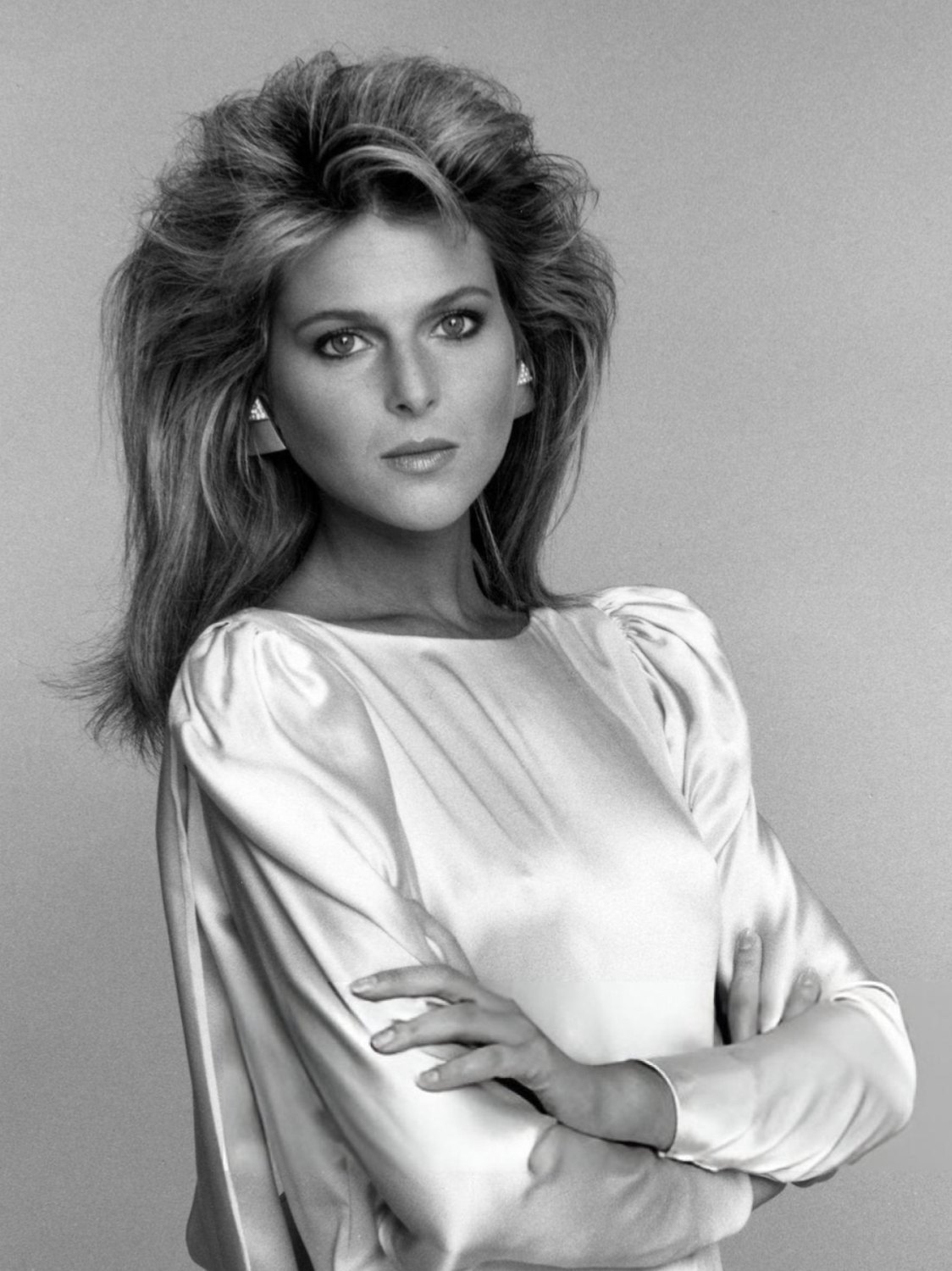
On 12 January 1981 Dynasty premiered on ABC, and its costume designer, Nolan Miller, worked with a wardrobe budget of $35,000 a week. Around three thousand outfits went through the show. Miller's stated inspiration was Joan Crawford — which quietly closes the loop back to 1932.
The shoulders on that show were not clothing. They were a weapon system. Two women in a room, each wider than the other, and the whole country watching to see who would blink.
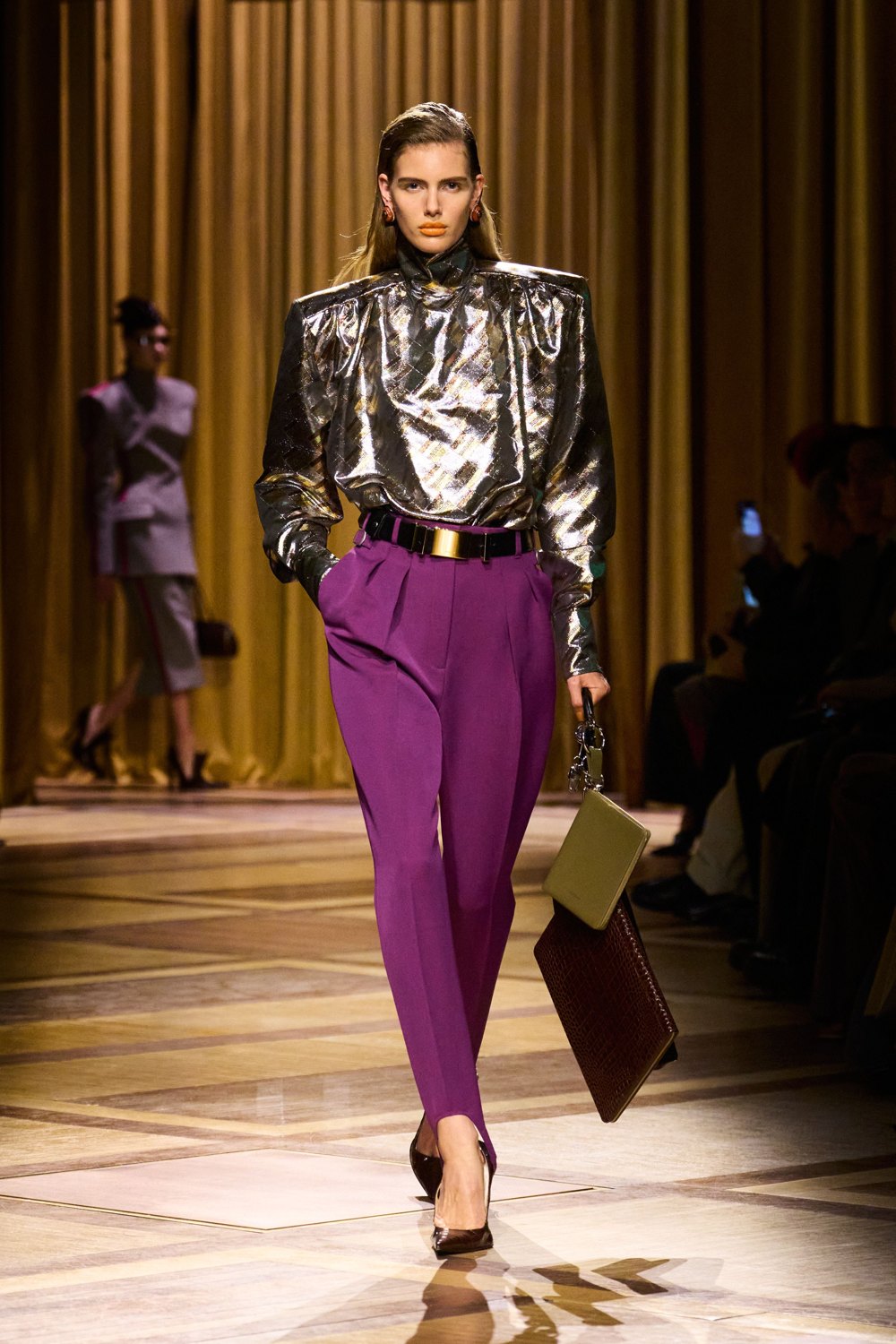
How to wear it now. Spectacle is an evening sport, and it only works in one place at a time. One piece does the shouting — a metallic jacket, a single enormous shoulder, a satin blouse with real structure — and everything else goes quiet and dark. Two spectacle pieces in one outfit is not a statement. It is a Dynasty tribute night.
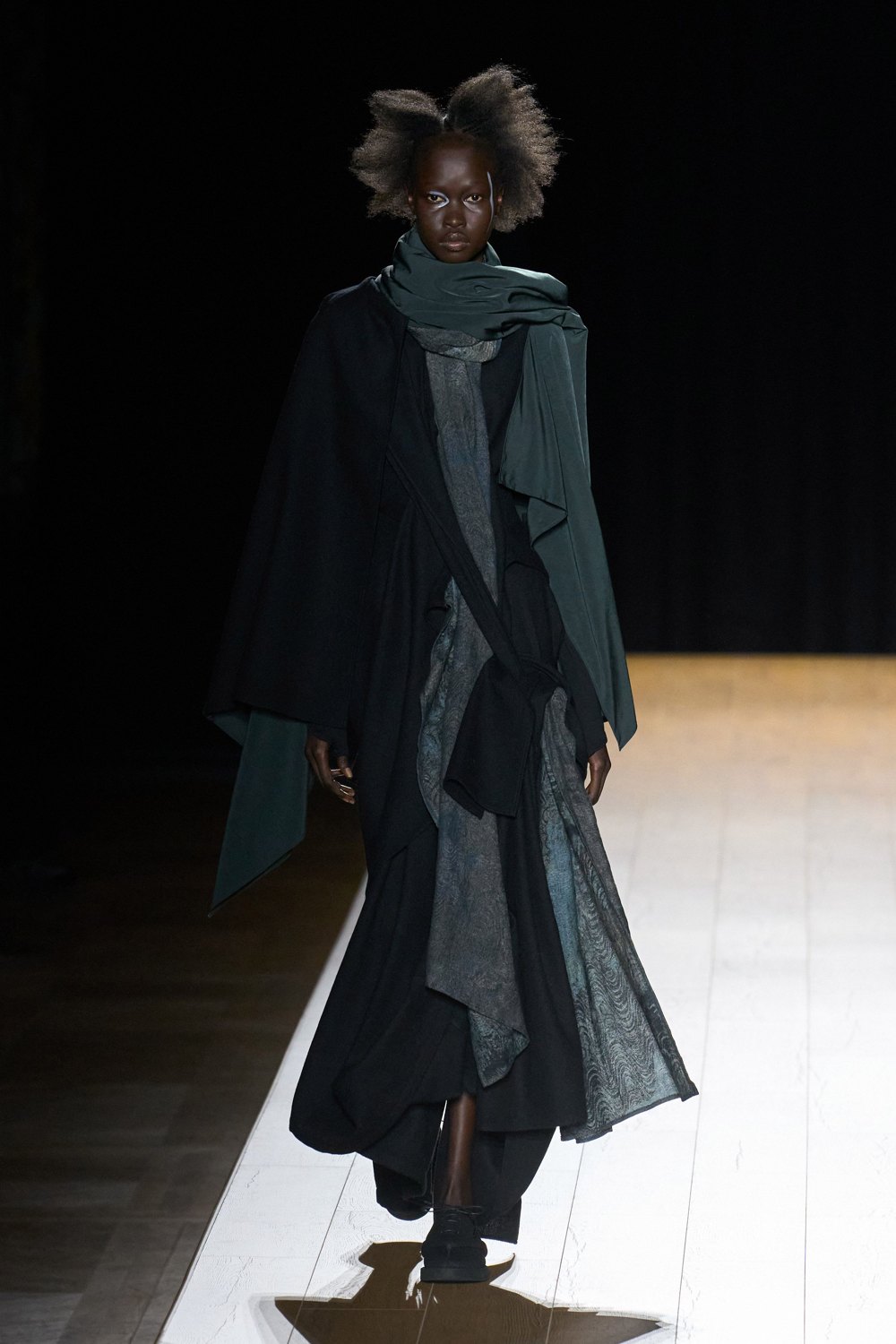
The Basket Case: Tokyo's black cocoon
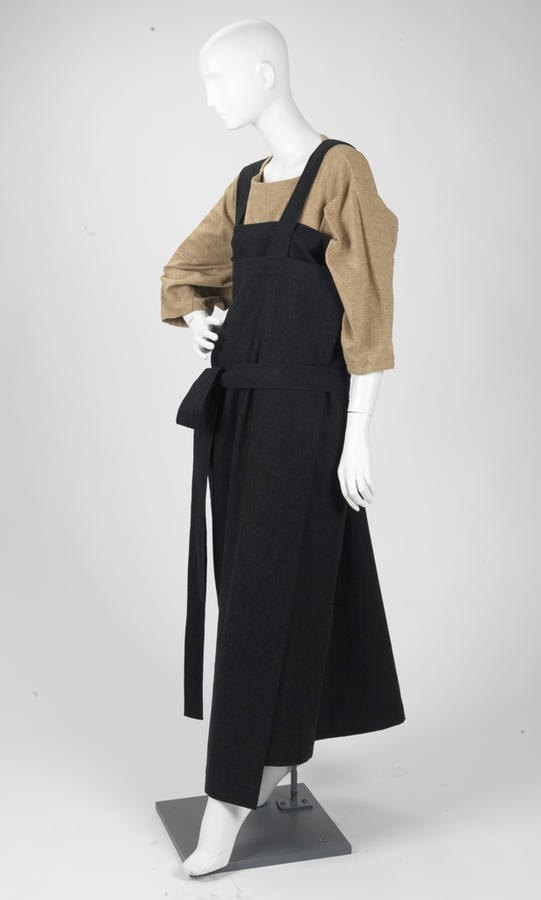
In 1981 two designers from Tokyo, Rei Kawakubo of Comme des Garçons and Yohji Yamamoto, showed in Paris. Oversized black, models with white-painted faces walking like they had somewhere better to be.
The reaction was close to vitriolic. The press called it "Hiroshima chic". Photographs of the shows were printed marked with crosses. A room full of people who sold dresses built for being looked at could not forgive clothes that refused to perform.
How to wear it now. This was not minimalism, and it was never trying to look expensive. It was deconstruction — the finished garment taken apart and shown with its workings: raw hems, seams on the outside, a jacket that fastens in the wrong place, volume that ignores the body underneath. Almost everything deliberately unfinished and asymmetric in fashion since traces its family tree back to that room. To wear it now, take one piece that breaks the rules of construction — an unhemmed skirt, a coat cut off-centre, a shirt worn inside out on purpose — and keep everything around it plain and dark, so the cut reads as a decision rather than an accident. If the volume ignores the body, let one thing follow it: a slim trouser, a bare wrist. And skip the necklace. The garment is already doing the arguing.
The Criminal: Westwood steals the archive
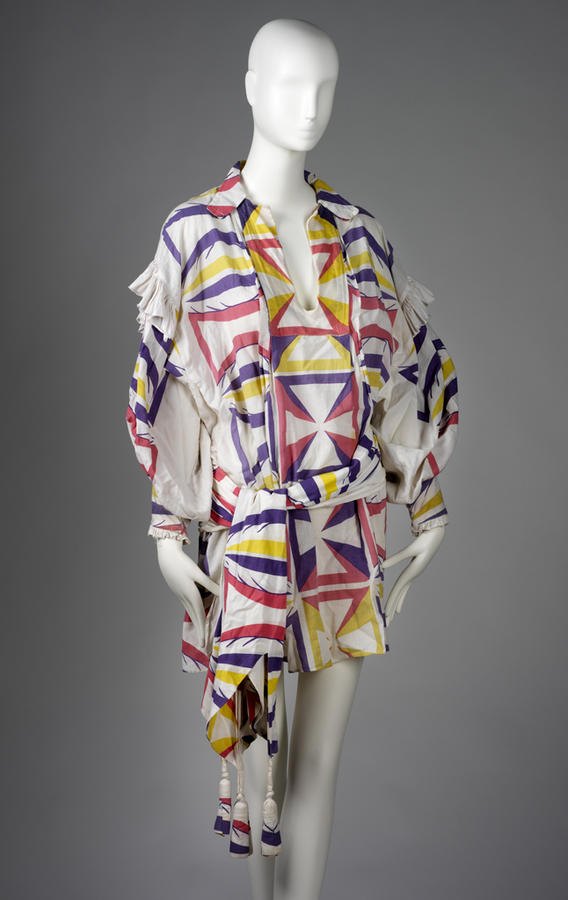
Vivienne Westwood's first runway show, with Malcolm McLaren, was the Pirate collection in autumn 1981 — the uniform of a whole London scene. In 1985 came the Mini-Crini, a Victorian crinoline crossed with a sixties mini. And in 1987 she took old Britain's most respectable wardrobe — Harris Tweed, velvet, the clothes of people who own horses — and cut it insolent.
Hold her up next to Ralph Lauren. Same fabric. Opposite verbs. He sold the old world straight: reverent, buttoned, dry-clean only. She stole it and wore it sideways, waistcoat over bare skin, crown askew. The decade honestly could not tell which one would sell better. It bought both.
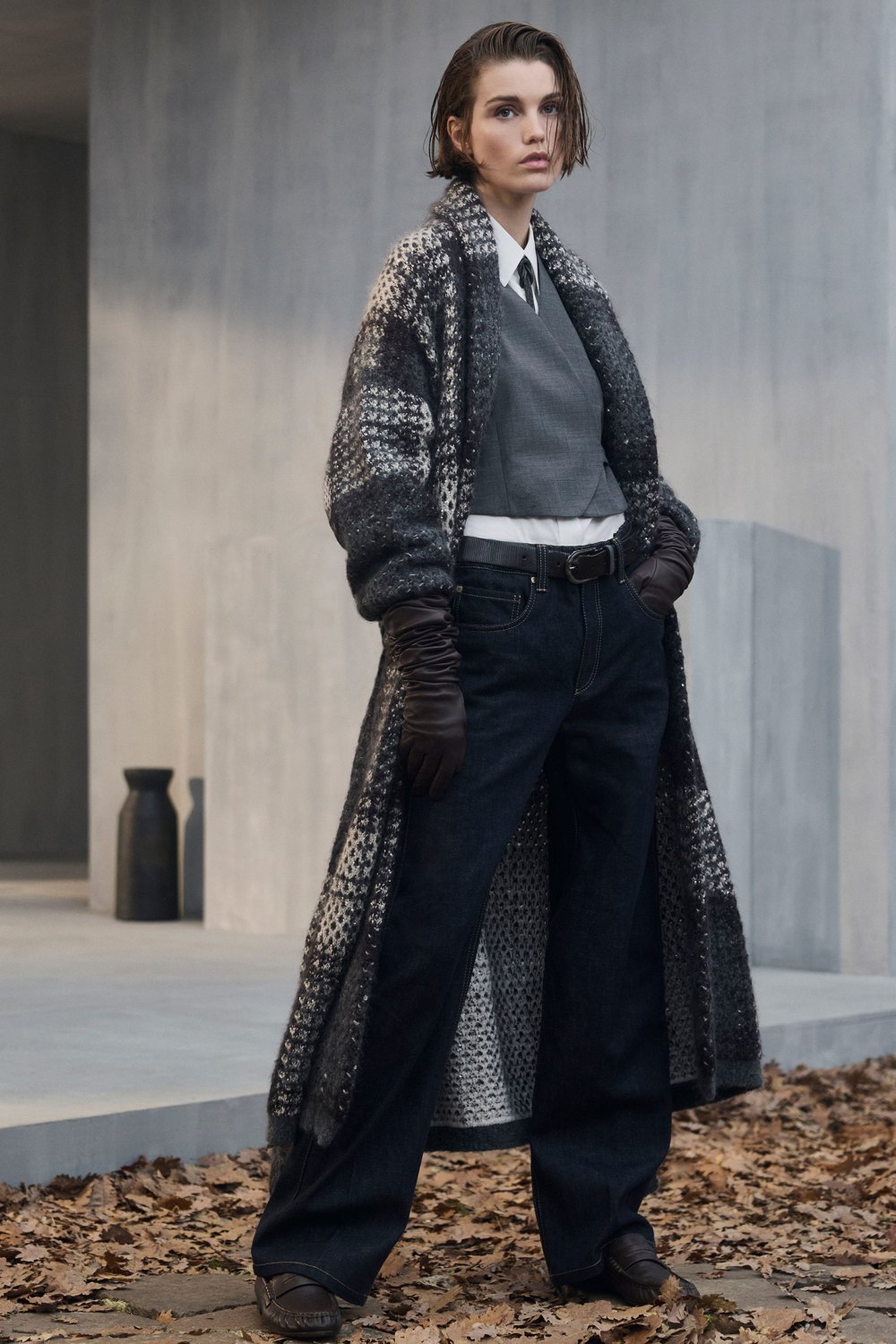
How to wear it now. Take something respectable and put exactly one thing wrong with it. A tweed coat over a waistcoat and wide, slightly too-long jeans. A tartan skirt with a leather jacket and flat boots. A good blazer with a T-shirt that has clearly been through something. The respectable piece gives the outfit its authority. The wrong piece gives it a pulse.
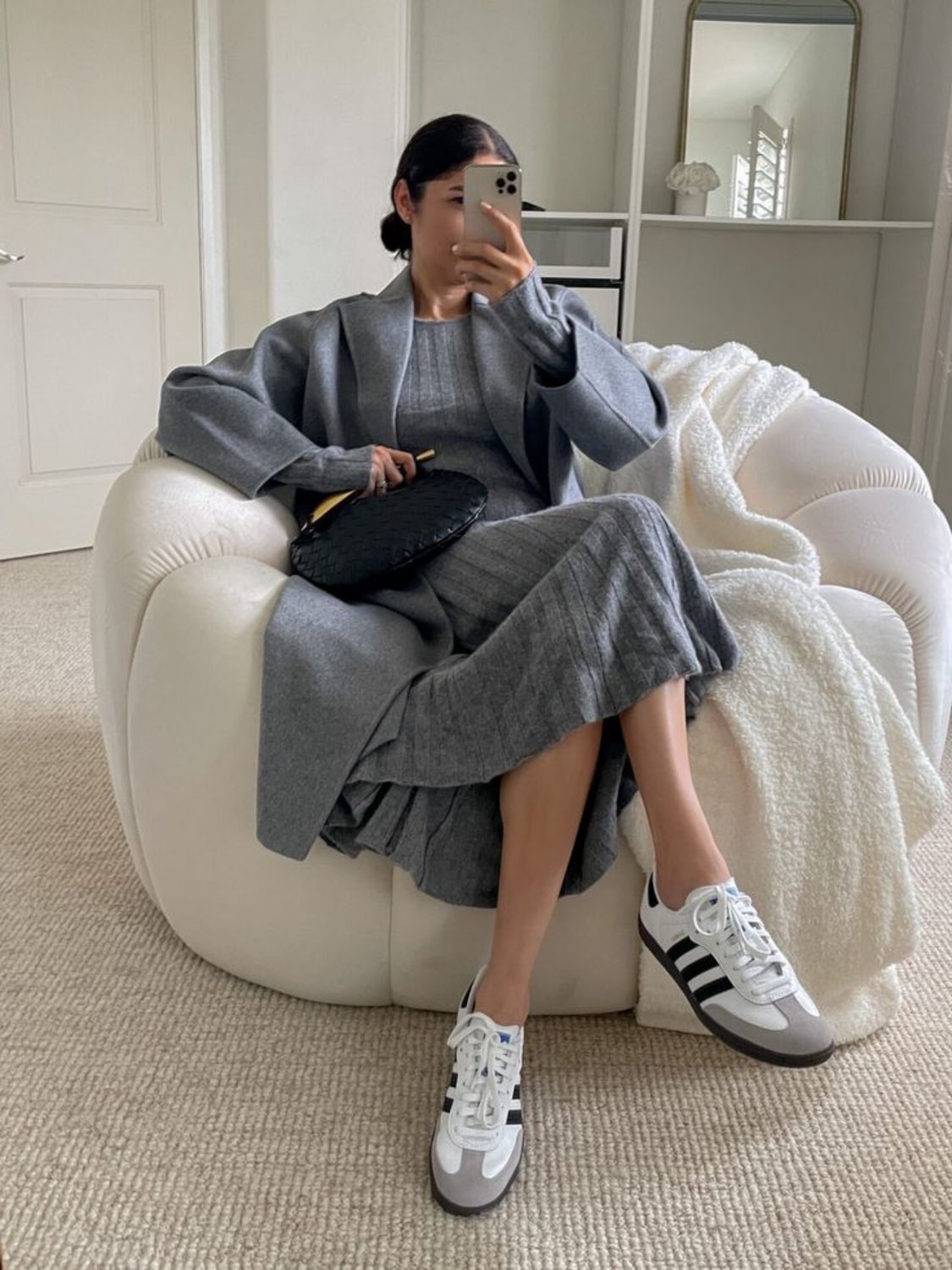
The Athlete: sneakers take the street
The letterman jacket in the film says the institution ranks you. But the decade's real sportswear story was not happening in any school gym. It was happening on cardboard, on street corners.
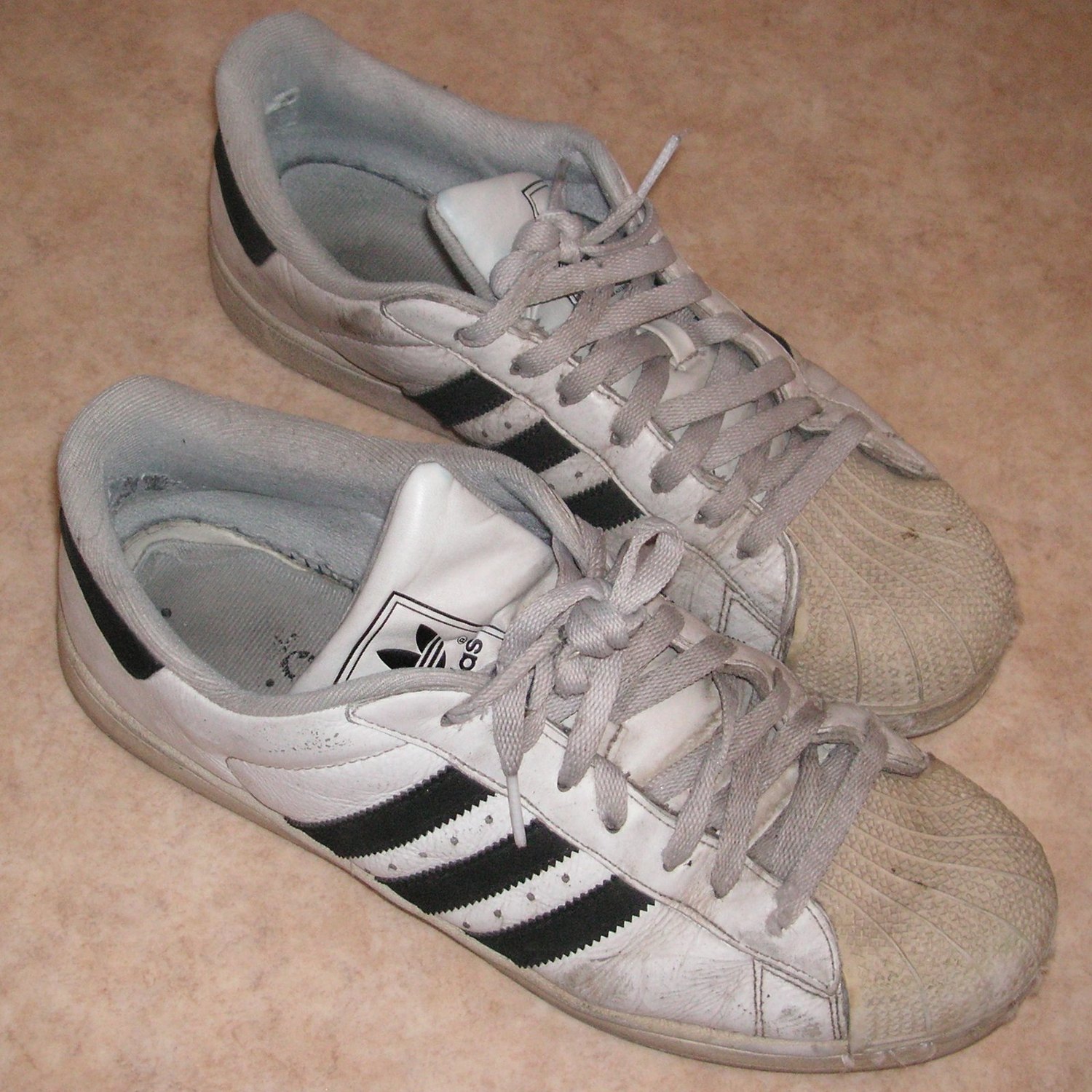
Hip-hop took the sports catalogue and rewrote what every item meant. The tracksuit was not for training. The sneaker was not for running. White shell-toe Adidas Superstars, fat laces or no laces, were worn as insignia.
On 29 May 1986 Run-DMC released a song called "My Adidas". That July, at Madison Square Garden, they asked the crowd to hold their shoes in the air, and tens of thousands of sneakers went up. An Adidas executive was standing in the audience. What followed was a $1.6 million deal — the first sneaker endorsement ever given to people who were not athletes.
For a century sportswear had flowed one way: from the brand, through the champion, down to the street. That night the street reversed the current.
How to wear it now. Status sneakers are simply the default today — the drop, the queue, the resale, all switched on that night. The move is to wear them with the thing they were never meant for: under wide tailored trousers, with a long wool coat, with a knit set that looks like it should be wearing a loafer. Sportswear with sportswear reads as the gym. Sportswear with tailoring reads as a decision.
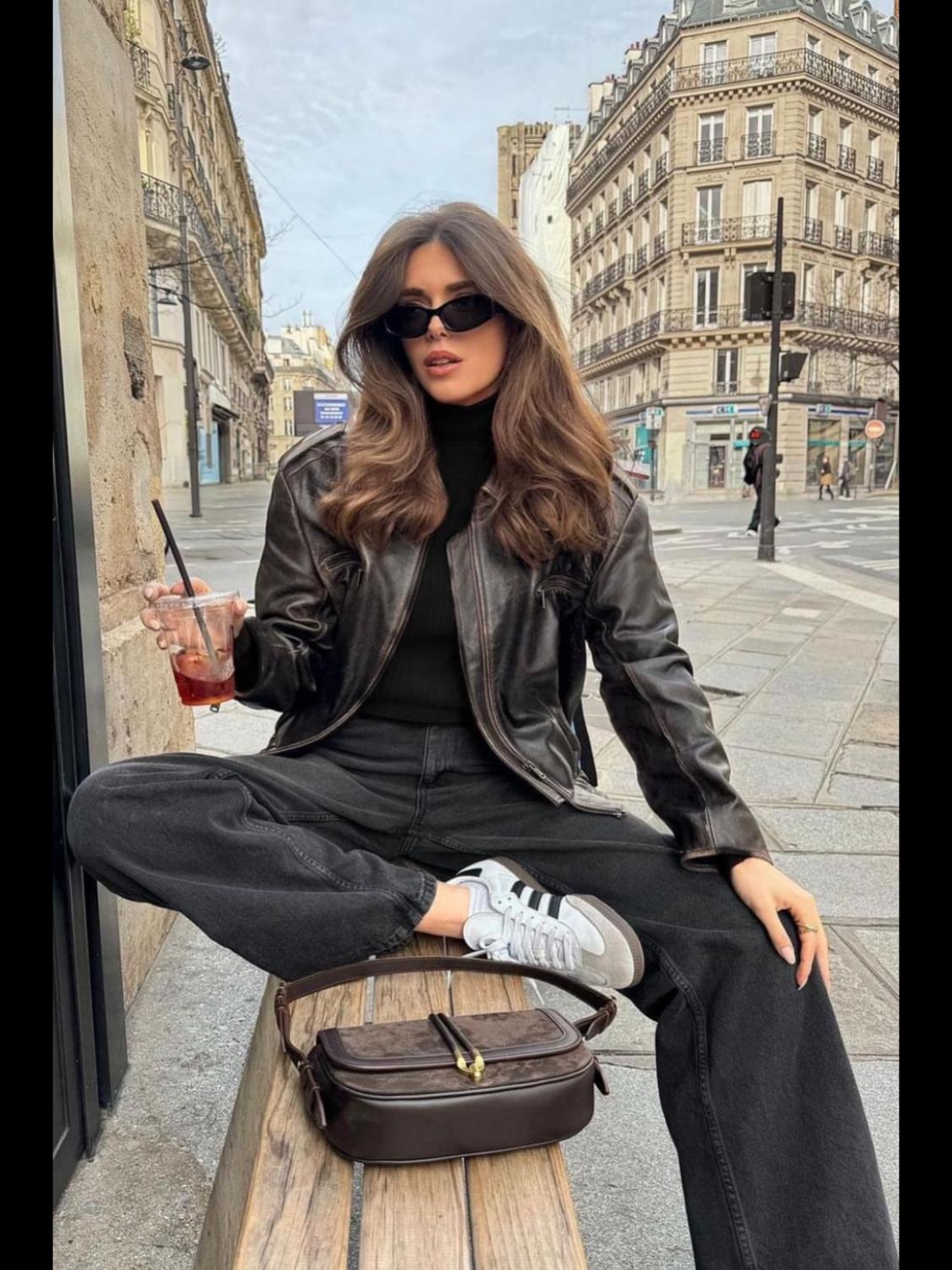
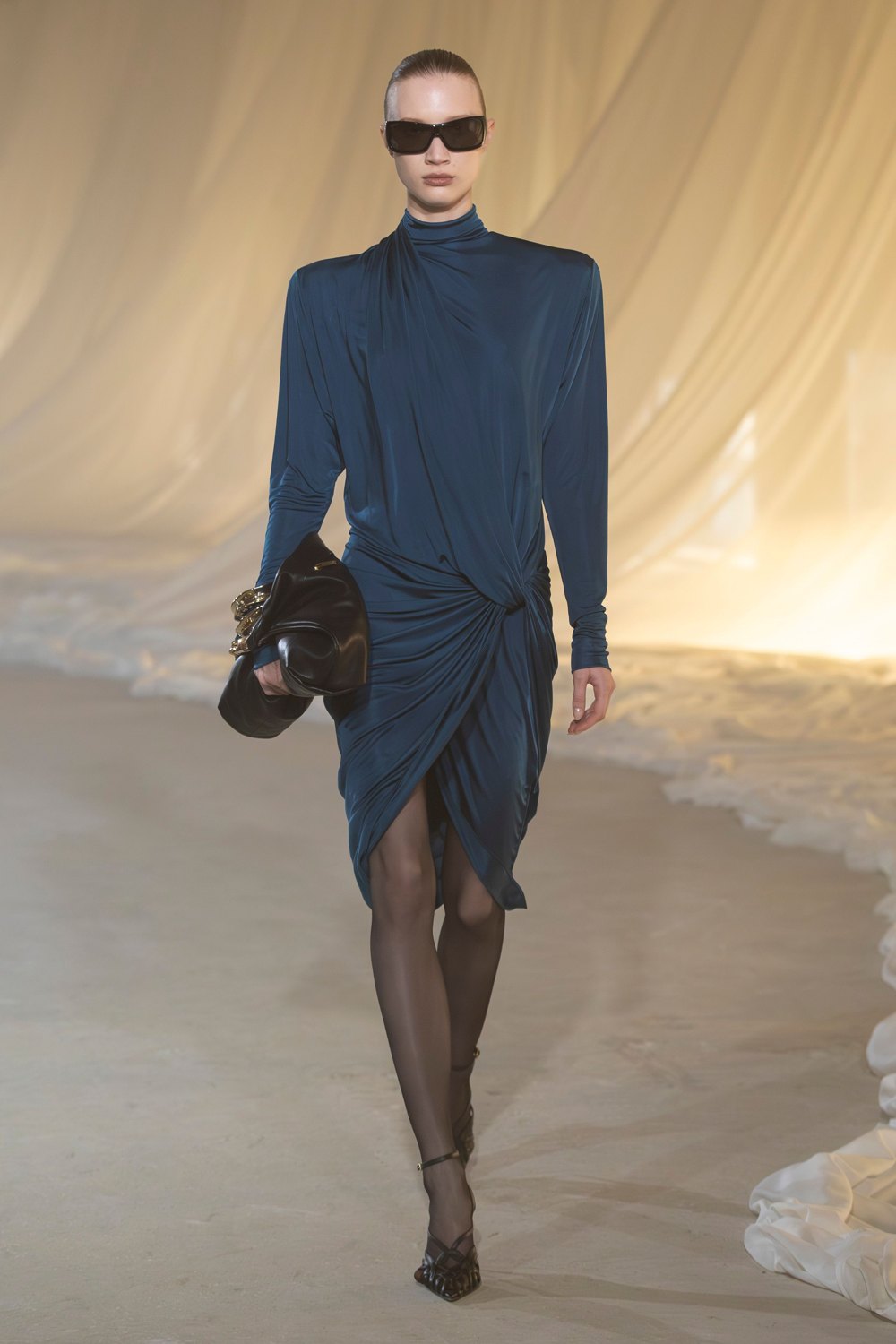
Which uniform is yours
The film ends with a letter, read over the closing credits, and its most quoted line says each of them is "a brain, an athlete, a basket case, a princess and a criminal." All five, in one person. Eight hours in a room dissolved what the clothes had spent years announcing.
But notice what the film got right before anyone else did: none of those five chose from scratch. Each reached for the armour that fitted what was already underneath.
On the Selphico wheel the uniforms sort themselves quite neatly. The power shoulder belongs to the Queen — authority that does not need to raise its voice. Old money is the Duchess. The Dynasty spectacle is the Femme Fatale's natural habitat. Deconstruction is the Artist's territory — she thinks in form and material. Westwood's insolent tweed is the Rebel. And the sneaker that made a corporation come and ask is pure Huntress.
That is the difference between a uniform and a type. The uniform is issued to you. The type was already yours — and it decides which of these eighties actually works on your face, and which one only works on a mood board.
The decade gave everyone armour. Working out which armour fits took the rest of us another forty years.
It takes you three photographs.
Archive images: ABC Television press photograph, 1984 (public domain); Comme des Garçons wool jumper dress, 1983–84, and Vivienne Westwood & Malcolm McLaren, Pirates collection, 1981 (CC0); Adidas Superstar (CC0) — via Wikimedia Commons. Present-day looks: runway and street photography, 2025–26.