
The Little Black Dress, Eight Ways: Why Your Face Line Decides the Cut
The little black dress "suits everyone" is a myth — because your face and body read as one of eight lines, and the neckline, fabric, and cut need to speak that exact language. Here's the black dress for each of the eight.
Everyone tells you the little black dress suits everyone. That's the myth sold with every hanger tag. And sure — the color does its job on any body, black doesn't argue with curves, it never has. But the dress you're picturing in your head right now, the one that "just works," is not the same dress for everyone wearing black tonight. It's not about your body. It's about your line.
At Selphico we don't talk about round faces or square jaws — we talk about lines. Eight of them: Fragile, Angular, Firm, Smooth, Soft, Fluid, Elastic, Flexible. Your line is the underlying quality of your features — how delicate or dense, how sharp or curved, how much your face and body read as "holding still" versus "moving." And the neckline, the fabric weight, the cut of a black dress either speaks that same language or talks right over it. Same dress, eight completely different answers.
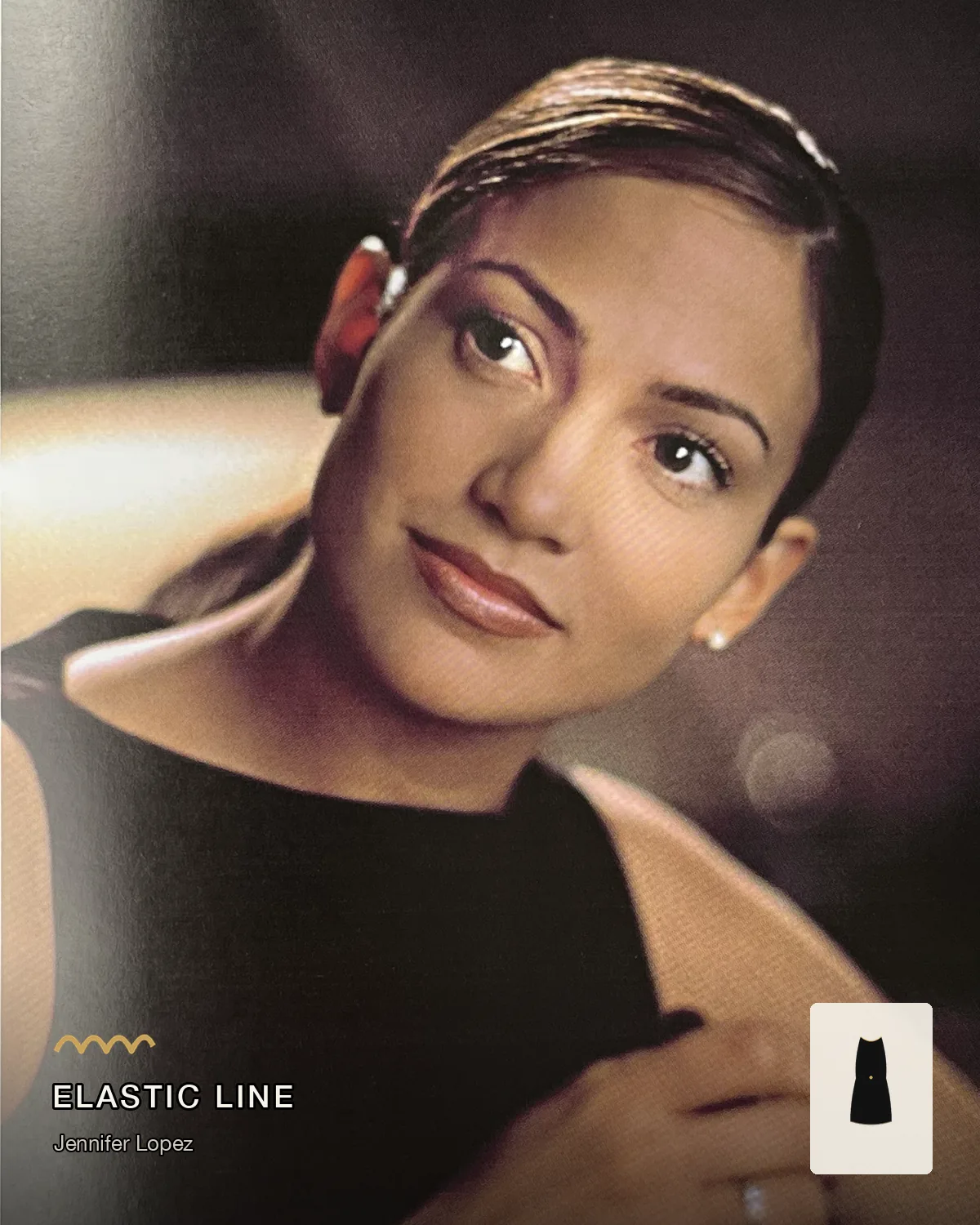
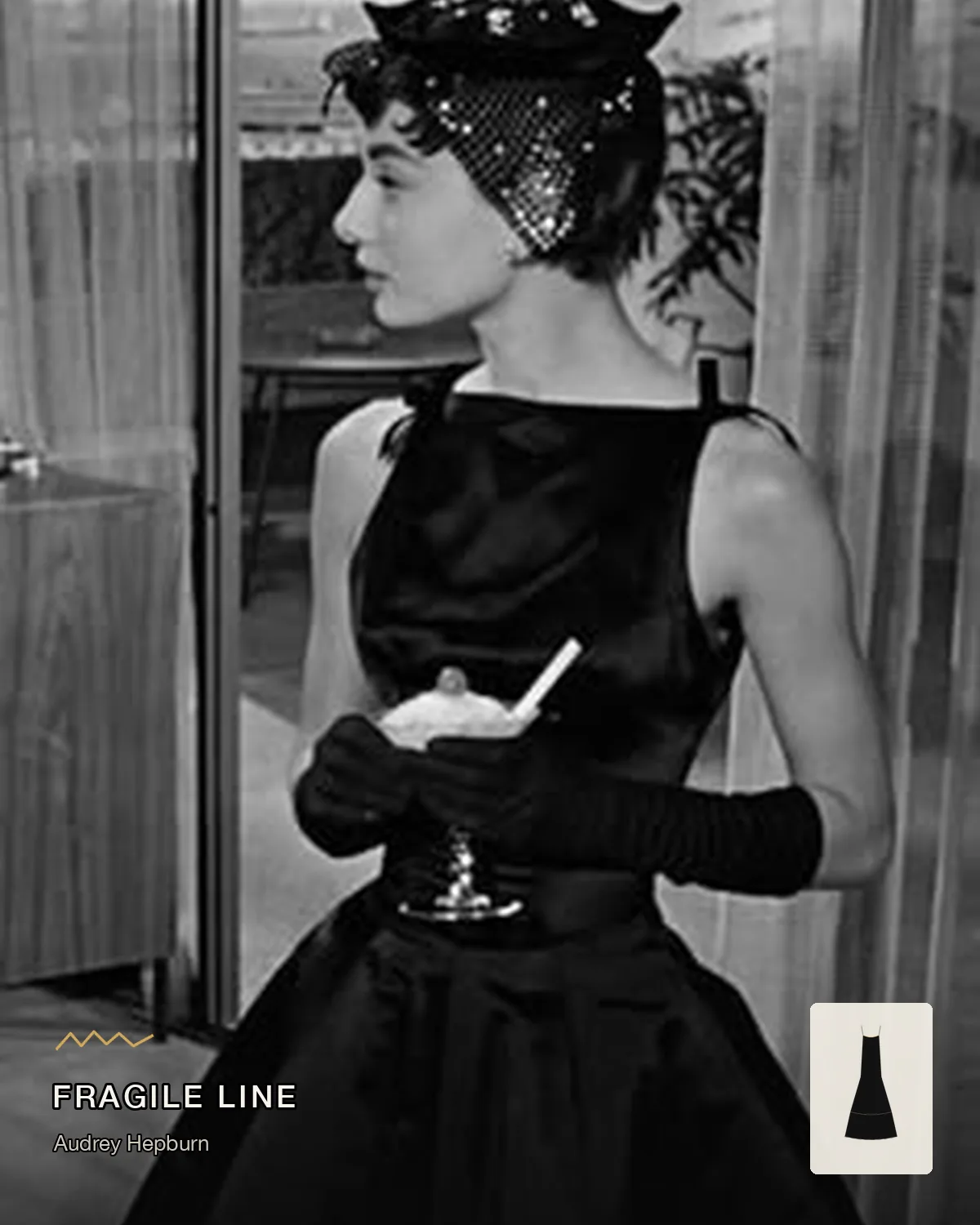
1. Fragile: Never Add Bulk
If your line is Fragile, everything about you reads fine — thin bone structure, delicate features, the kind of presence that gets swallowed by anything heavy or stiff. The dress equivalent of shouting at you is a thick ponte knit or a structured, boxy cut. What actually works is organza, fine pleats, delicate lace — fabric that has weightlessness built into it. Think a black dress with a pleated bodice so fine it looks like it could catch a breeze indoors. The rule is simple: never bulk. If you can't tell whether the fabric would crush in your fist, it's too much dress for a Fragile line.
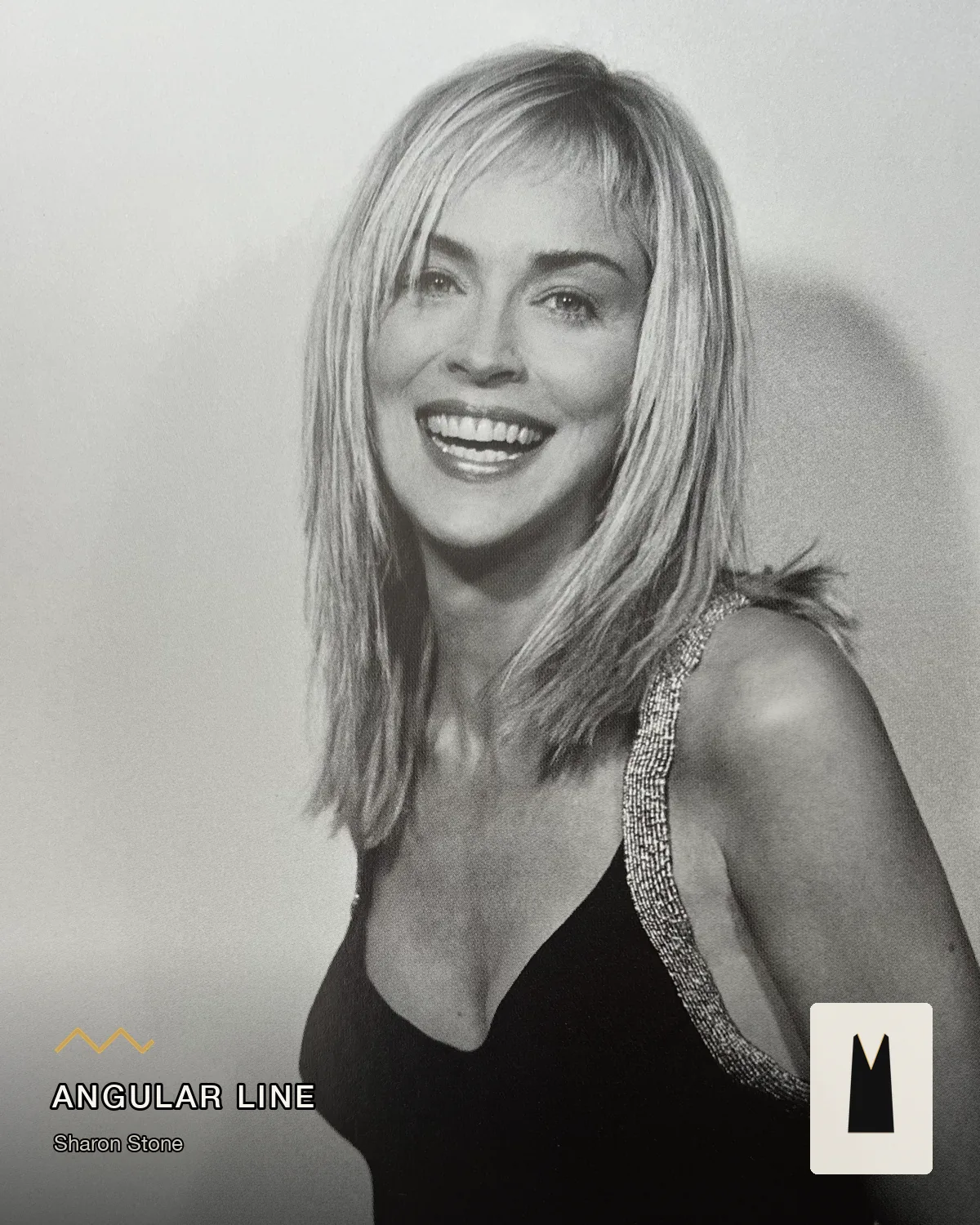
2. Angular: Let the Cut Do the Talking
Angular lines have a sharp silhouette already built in — strong jaw, defined edges, features with clean corners instead of soft transitions. Soft, fussy necklines get lost on you; they're whispering when your face is already making a statement. Match the energy instead: a deep V, a sharp silhouette, a hint of metal at the shoulder or waist. A black dress with a severe V-neck and a metal clasp isn't overkill on an Angular line — it's just finally speaking the same dialect your bone structure does.
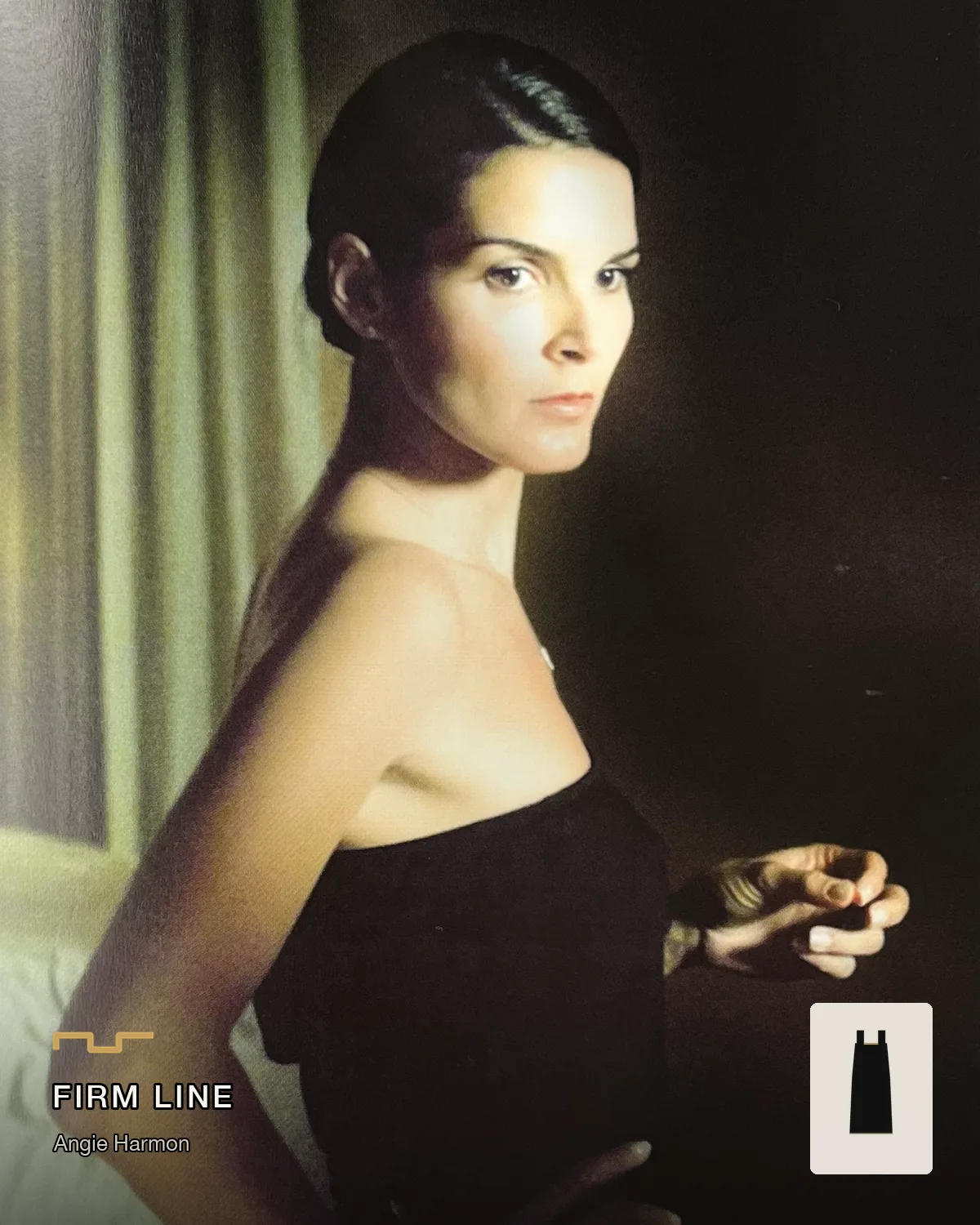
3. Firm: Let It Hold Its Shape
Firm lines have density and structure — strong, grounded, nothing floats or drapes off you by accident. This is the line where a dense fabric and a straight cut actually flatter, because the dress isn't fighting to hold a shape your body already gives it for free. Skip anything clingy or slippery; it'll just look like it's losing an argument. A black dress in a heavy crepe or a structured cotton-blend, cut straight through the body, holds its shape the way you do — no compromise necessary.
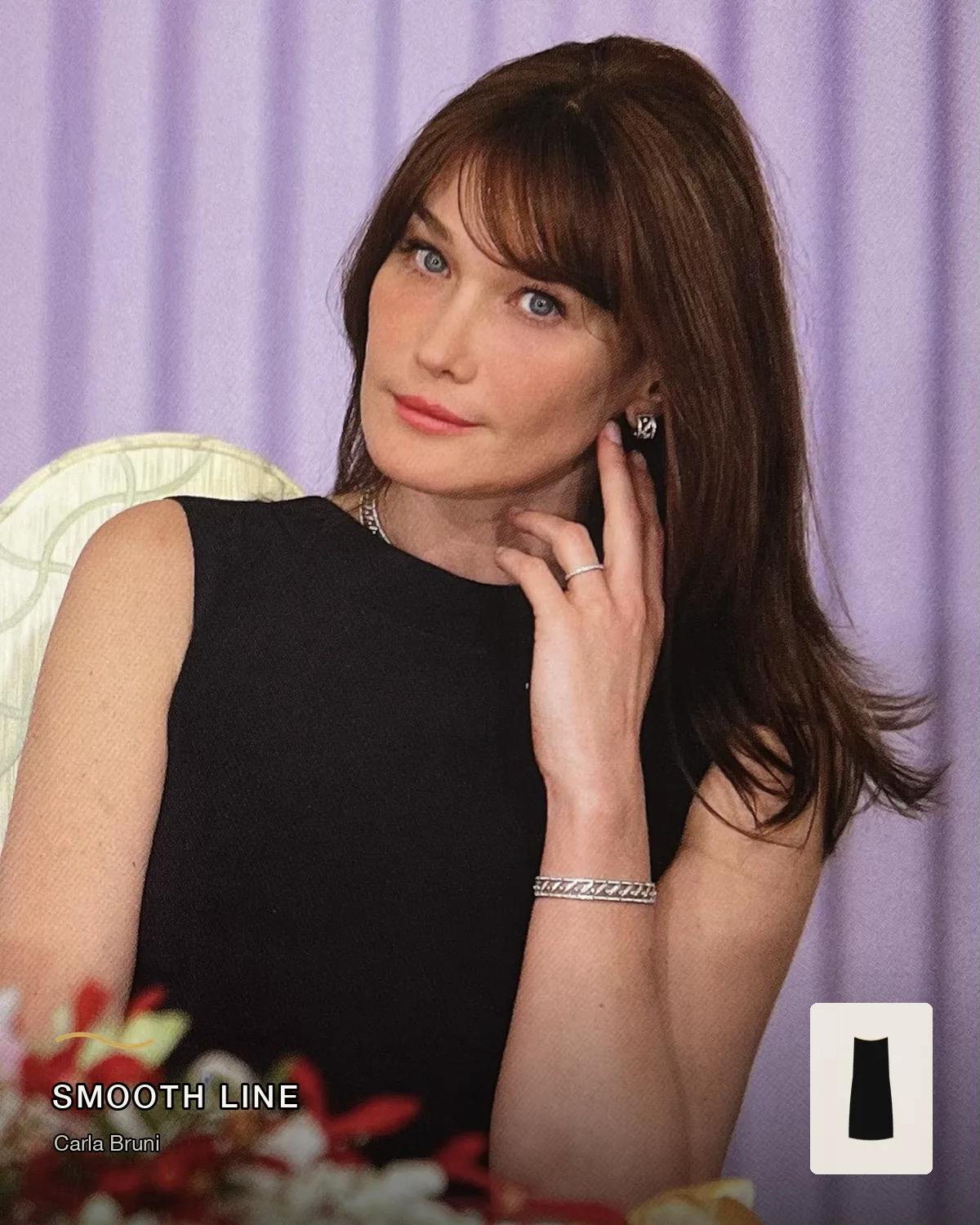
4. Smooth: Nothing Sharp, Nothing Stiff
Smooth lines are exactly what they sound like — even, continuous, no hard angles interrupting the flow of your features. A boat neck works here specifically because it's a clean horizontal that doesn't introduce a point or a sharp dip where your face has none. Fabric that flows, rather than fabric with a rigid hand, keeps that continuity going all the way down. The mistake on a Smooth line is adding sharpness for the sake of "definition" — you don't need it, and it reads like static on a clear signal.
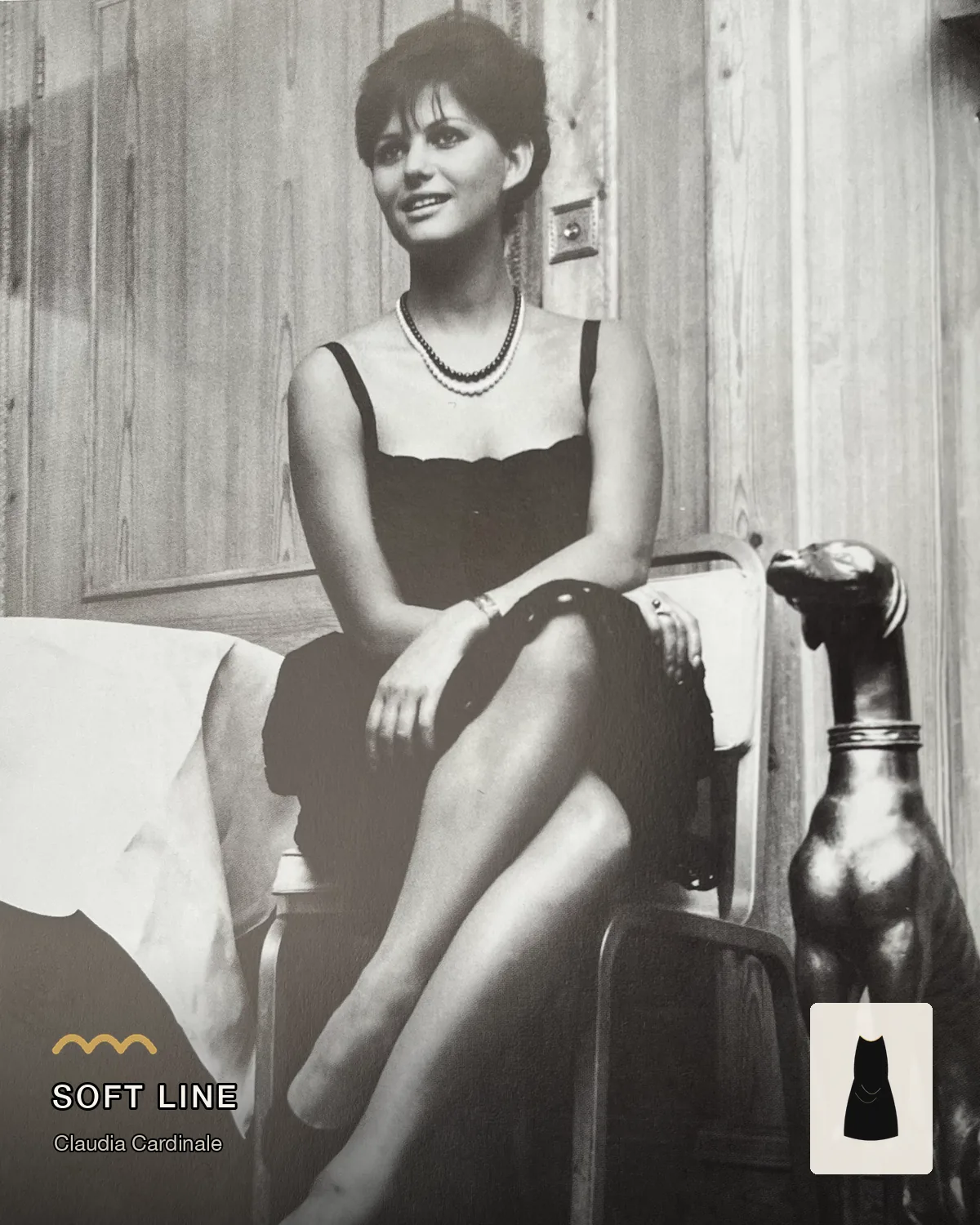
5. Soft: Volume Without the Weight
Soft lines carry curve and warmth in the features — nothing is severe, everything rounds gently into the next thing. Draping and curved necklines match that quality instead of contradicting it, and volume works beautifully here as long as it stays weightless. Think a softly gathered neckline or a bodice with gentle ruching — volume without weight is the exact phrase to keep in your head while you're shopping. What doesn't work is anything crisp or architectural; it fights the softness instead of framing it.
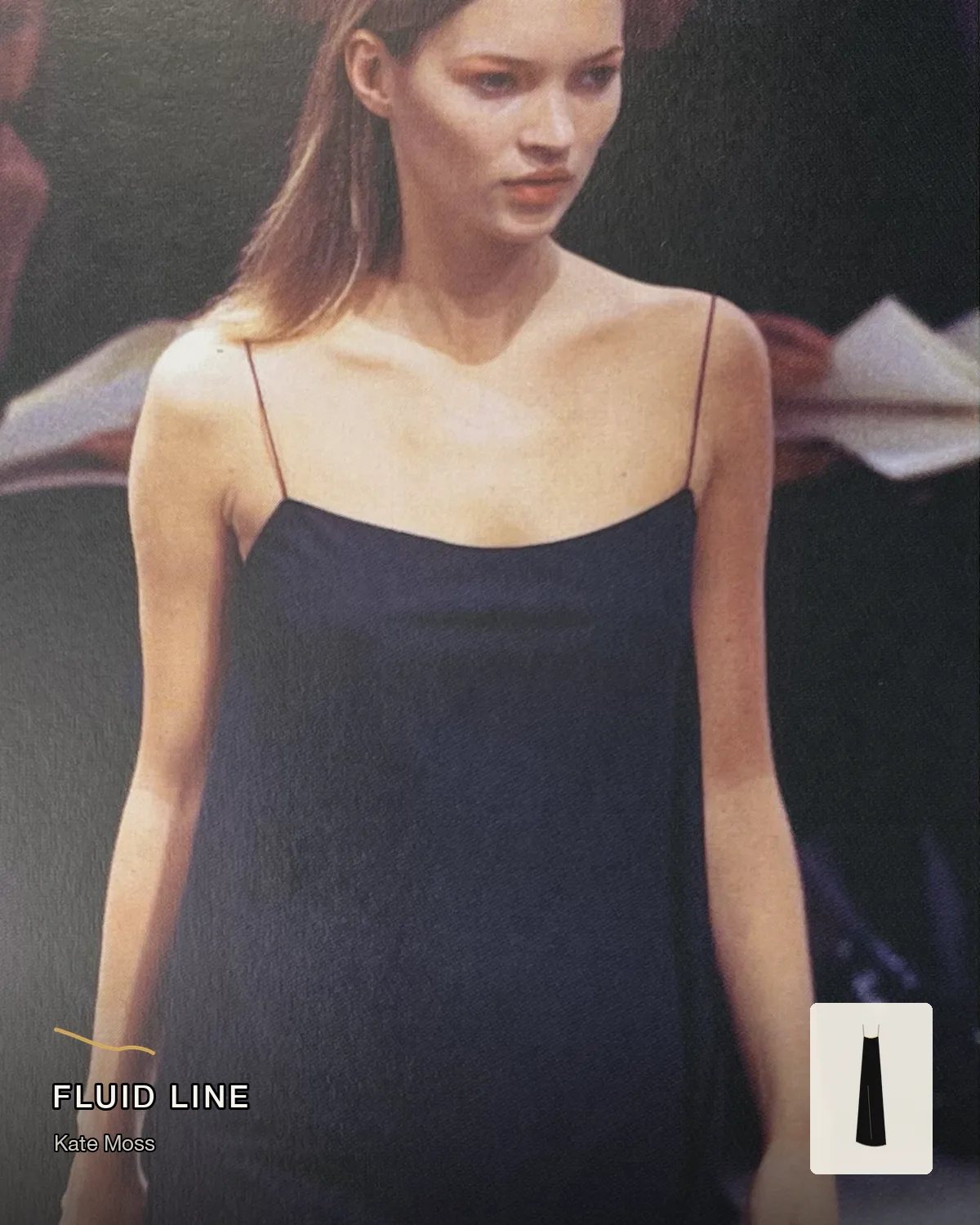
6. Fluid: Let It Pour
Fluid lines are about movement — nothing static, nothing that holds a hard edge for long. This is where the slip dress earns its reputation as a classic for a reason: it pours over the body, and nothing cuts across the line your features are already drawing. A bias-cut black slip in a silk-blend does exactly what it should — no seam, no strap, no structured neckline interrupting the flow. The one thing to avoid is a rigid, tailored cut; on a Fluid line, structure looks like a dam in a river that was moving just fine on its own.
7. Elastic: Crisp Volume That Springs Back
Elastic lines have bounce and resilience — features and proportions that read as lively rather than static, with a kind of built-in spring. Crisp round volume works here, and so does a dense knit that actually springs back into shape rather than sagging. A black dress with a fuller, rounded skirt in a substantial knit does the job — it moves with you and returns to form, the same way an Elastic line does. Limp, draped fabric is the wrong move; it goes flat where you don't, and the mismatch shows.
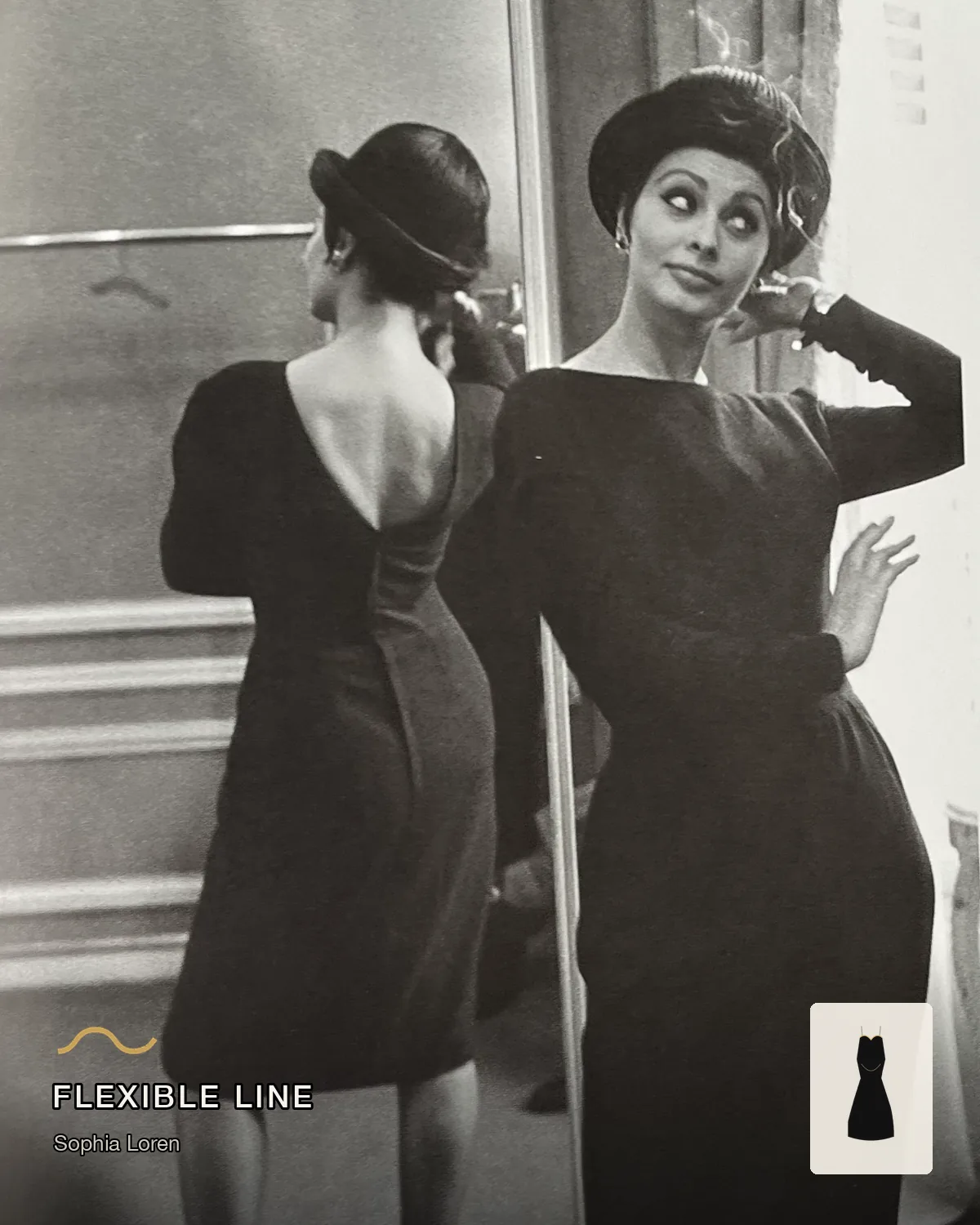
8. Flexible: Let the Cut Curve With You
Flexible lines are the hourglass of the system — proportion and curve working together, a body and face that read as balanced rather than tipped toward any one extreme. An S running through the cut of the dress — a curved seam, a nipped waist that follows rather than forces a shape — is the move. A black dress with a subtle S-curve seam does more for a Flexible line than any amount of stiff tailoring or shapeless draping ever could, because it's simply tracing what's already there.
Same Dress, Eight Different Answers
The black dress in your closet isn't lying to you when it says it goes with everything — the color genuinely does. But "goes with everything" was never the same claim as "looks the same on everyone." Your line decides whether that dress should be organza or dense crepe, a deep V or a boat neck, a slip that pours or a knit that springs back. Eight lines, eight different dresses, one little black dress doing all the work if you just find yours.