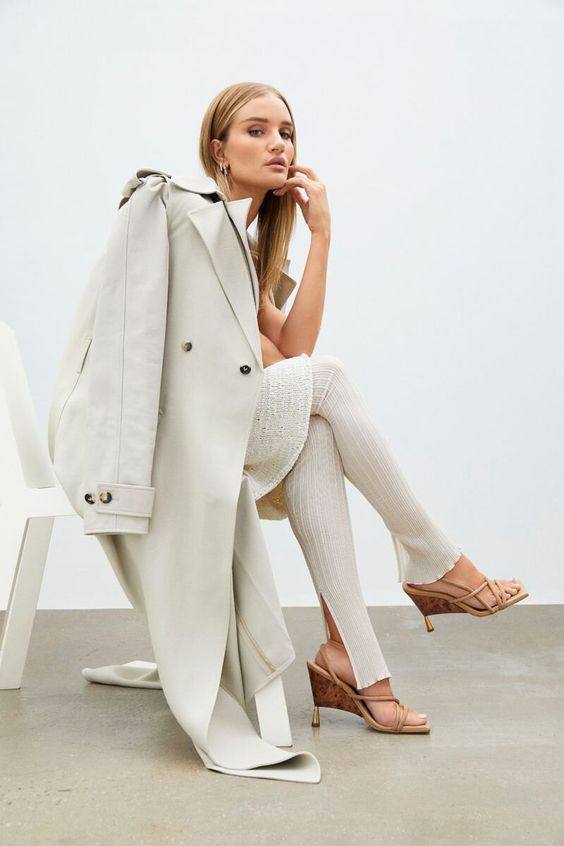
Why Rosie Huntington-Whiteley Looks Best in Horizontal Lines
Rosie Huntington-Whiteley's bone structure has that rare horizontal stability — wide-set features, strong jaw, grounded presence. Here's why thick knits and structured blazers look architecturally correct on her, while floaty chiffon creates visual discord.
The Stone Foundation
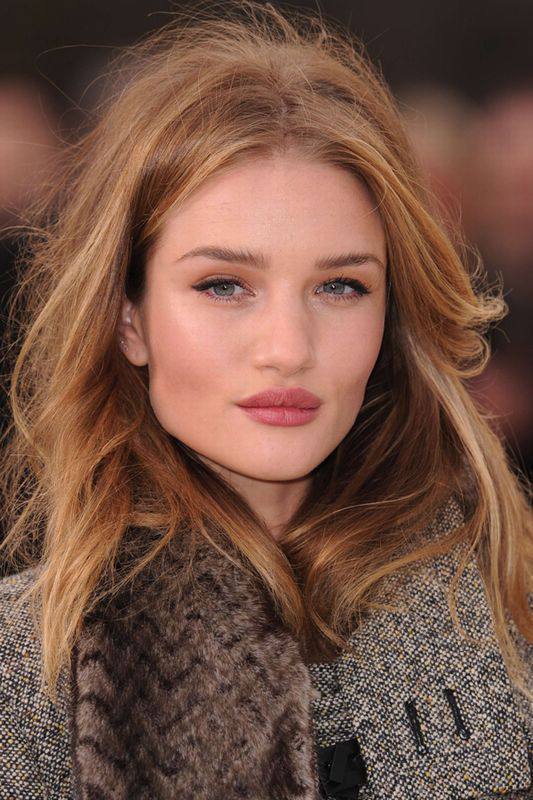
I've been watching Rosie Huntington-Whiteley, and there's something about her face that makes certain clothes look right — not just fashionable, but architecturally correct. Her bone structure has that stable, horizontal quality: wide-set features, a strong jawline that runs parallel to the ground, cheekbones that stretch outward rather than upward. It's what we call a hard line in the Selphico system — the face reads as solid, grounded, still.
And when she wears clothes that echo that geometry? Magic. When she doesn't? It's like watching someone try to balance a sculpture on a wobbly base.
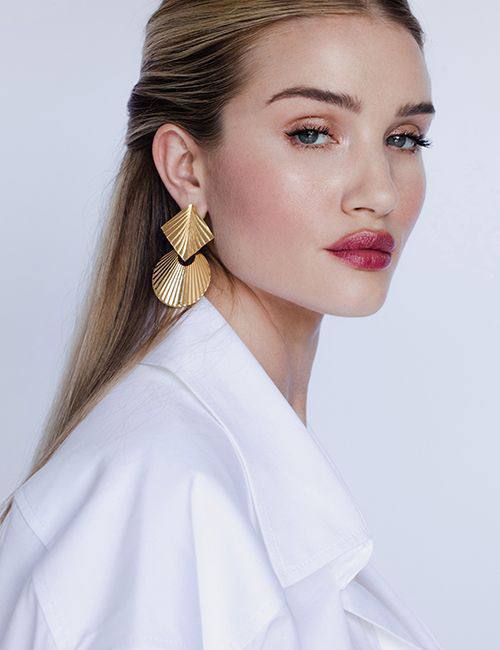
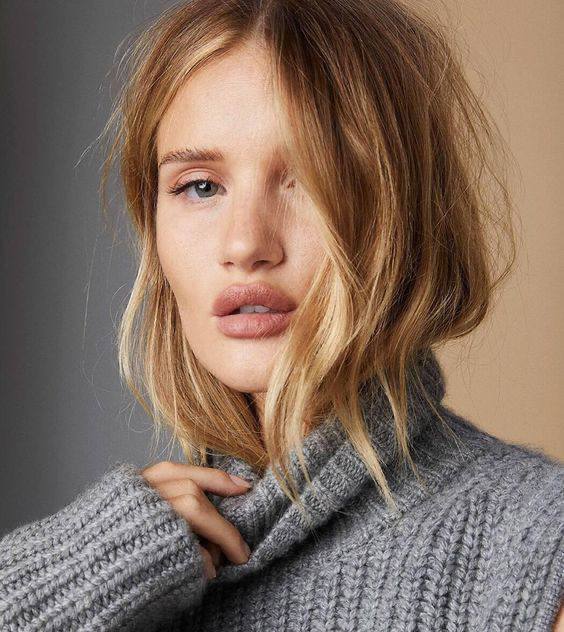
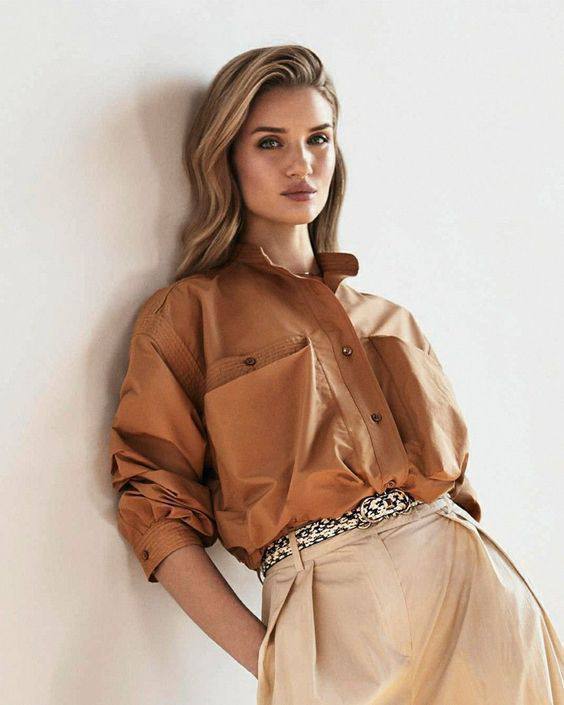
What Works: Horizontal, Heavy, Substantial
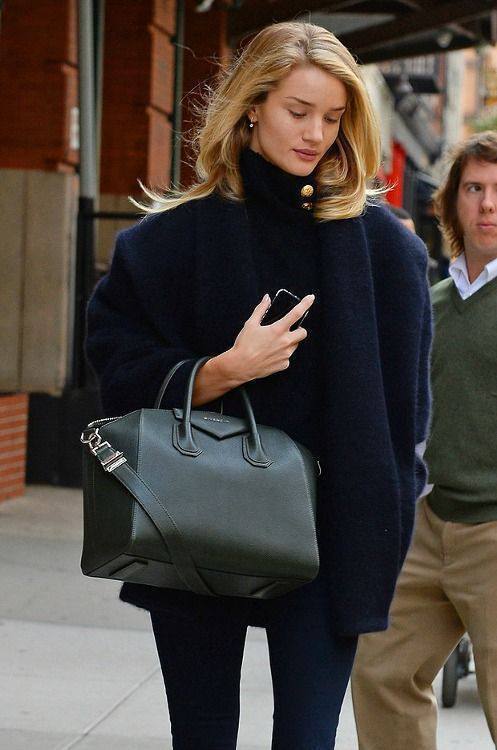
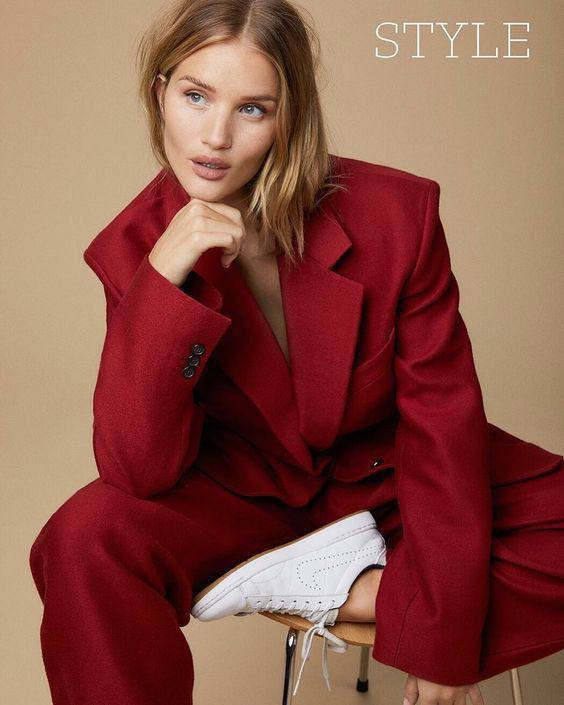
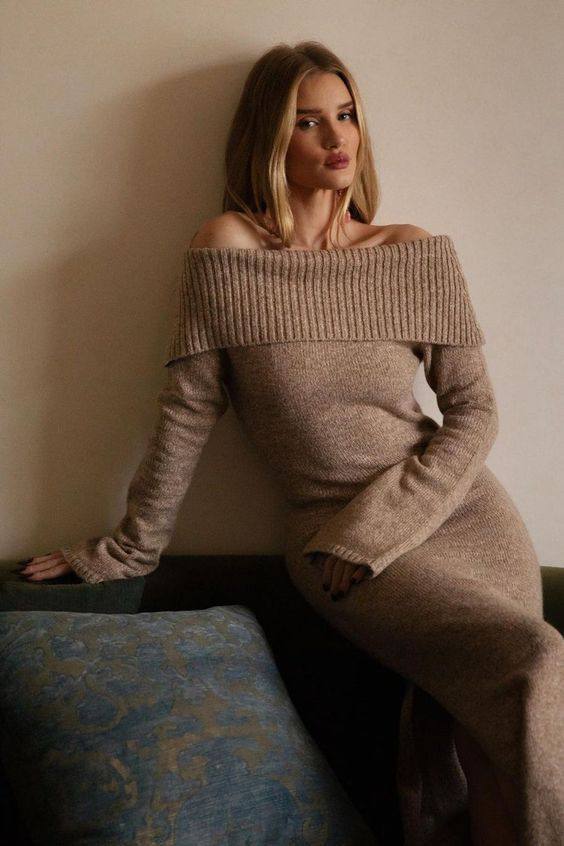
Rosie's best looks share a vocabulary: thick knits with horizontal ribbing, boxy leather jackets with wide lapels, straight-cut trousers that hit the floor with weight. I'm thinking of that cream turtleneck she wore — the kind with a chunky rolled collar that sits heavy on the shoulders, fabric dense enough to hold its shape. Or those oversized blazers with squared-off patch pockets, the kind that don't curve or drape but stand.
Her accessories follow the same logic. Large statement earrings — geometric, substantial, the kind you feel when you turn your head. Structured bags that could stand upright on a table. Even her sunglasses: thick frames, horizontal lines, nothing delicate or wire-thin.
It's not about looking masculine or severe. It's about matching the architecture of her face. Her features need visual weight to balance them. A flimsy silk blouse or a tiny chain necklace gets lost — it's like hanging a watercolor in a stone gallery.
What Doesn't Work: Soft, Vertical, Fragile
Here's where it gets interesting. When Rosie tries to go soft and romantic — floaty chiffon dresses, ruffled blouses, anything with too much vertical drape — something feels off. Not bad, exactly, but like she's wearing someone else's costume.
I remember seeing her in a delicate floral midi dress with thin straps and a handkerchief hem. Pretty dress. Wrong person. The vertical drape made her look wider, the fragile straps emphasized the strength of her shoulders in a way that created tension instead of harmony. It was like putting lace curtains in a concrete loft — technically possible, but why would you?
Same with overly clingy fabrics. That slinky bias-cut silk that looks incredible on softer, more fluid faces? On Rosie it clings in the wrong places, creates a discord between the fluidity of the fabric and the solidity of her bone structure. She needs fabrics with body — wool, structured cotton, leather, heavyweight jersey. Materials that have their own presence.
And tiny, delicate jewelry? It disappears. Those thread-thin gold chains that look so elegant on Nymph or Muse types just get swallowed by the visual weight of her features. She needs scale.
The Queen's Wardrobe
Rosie is likely a Queen type — high hardness, moderate warmth. Her face has that cool, composed quality, but there's enough fullness in her lips and softness in her coloring to keep her from reading as purely austere. She's not Fire-hot. She's somewhere in that dignified, powerful zone where clothes need to have presence without being loud.
Watch how she styles herself in her own life, away from red carpets and magazine shoots. It's almost always structured, horizontal, substantial. Camel coats with wide lapels. Straight-leg jeans and chunky knits. Oversized blazers over simple tees. She's figured out her geometry.
Does your face have that same horizontal stability, or do you find yourself drawn to completely different lines?